Opossum Removal
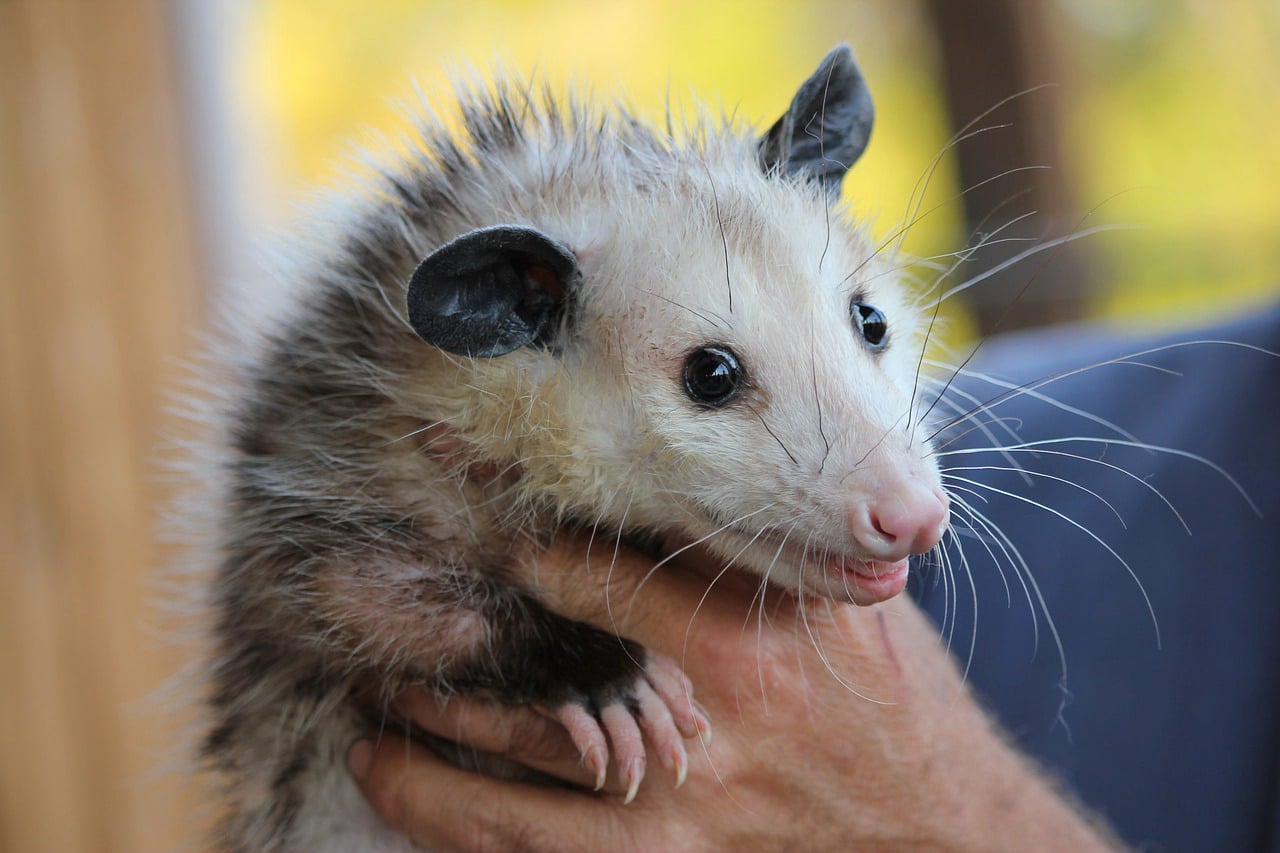
Virginia opossums are common throughout WNC and frequently enter crawlspaces, sheds, and garages. They are not rabies-vector species in NC, but they leave significant mess behind.
Opossum Removal You Can Count On
The Virginia opossum is the only marsupial native to North America, and it is common throughout Western North Carolina's counties and mountain communities. Opossums are opportunistic and largely non-aggressive; they are primarily nighttime feeders who frequently enter crawlspaces, garages, carports, and sheds in search of shelter and accessible food sources, compost piles, pet food left outdoors, open garbage containers, and bird feeders dropped onto the ground. Unlike raccoons and skunks, opossums are not considered rabies-vector species in North Carolina, because their body temperature is too low to sustain the rabies virus, but they can still carry other diseases, create significant mess from nesting material and droppings, and damage crawlspace insulation. Juvenile opossums more than 7 inches long from nose to tail can survive independently; smaller ones found without a mother may need wildlife rehabilitation. We live-trap opossums and address the access point that enabled entry.
Nuisance Wildlife NC serves homeowners across Western North Carolina. Work is performed in accordance with applicable North Carolina and federal wildlife regulations. We inspect, remove, and exclude. Every job comes with a plan that prevents the animals from returning.
Opossum Removal Across Western North Carolina
We handle opossum removal for homeowners across Western North Carolina. Select your town:
Common Opossum Removal Problems We Fix
If you are experiencing any of these, call us. We respond promptly and explain the options.
Opossum Removal - Questions & Answers
Can wildlife actually damage my home?
Yes and the damage compounds quickly. Raccoons tear apart insulation and contaminate it with roundworm eggs that remain viable for years. Squirrels chew electrical wiring inside attic insulation, creating a fire hazard that may not be visible until significant damage has occurred. Bats deposit guano that can support Histoplasma fungal growth. Skunks and opossums in crawlspaces damage vapor barriers and leave behind contaminated insulation. The longer any animal remains, the more expensive the remediation becomes.
How do I prevent wildlife from coming back after removal?
Permanent exclusion, sealing every confirmed and potential entry point, is the most effective long-term prevention. Beyond the structural repairs we make, we advise homeowners on attractants: accessible pet food, bird feeders near the roofline, fruit-bearing trees adjacent to the structure, open garbage, and uncapped chimneys. Routine roofline inspections every few years can identify new gaps before the next animal finds them.
What areas in North Carolina do you serve?
We serve communities across Western North Carolina, operating from our base in Robbinsville in Graham County. Our service territory covers Graham County and extends into Cherokee, Clay, Macon, Swain, Jackson, and Haywood counties. Communities we regularly serve include Andrews, Murphy, Hayesville, Franklin, Bryson City, Cherokee, Sylva, Cashiers, Highlands, Maggie Valley, Waynesville, Canton, and surrounding areas. Call us at 828-538-1980 to confirm coverage for your specific location.
Are you licensed to perform wildlife removal in North Carolina?
Work is performed in accordance with applicable North Carolina and federal wildlife regulations, including the requirements of the NC Wildlife Resources Commission. North Carolina requires a Nuisance Wildlife Control Operator (NWCO) certification for commercial wildlife removal. Contact us at 828-538-1980 for current licensing details. We are happy to answer questions about our credentials before you hire us.
Can you remove bats from my home?
Yes. Bat exclusion is one of our core services. It must be timed correctly, however. North Carolina follows maternity-season restrictions, exclusion cannot be performed while non-flying juvenile bats are present inside the roost, typically May 1 through August 15. If you have bats, we will inspect the roost, identify the species and entry points, and schedule the exclusion work at the appropriate time. We also handle bat guano cleanup and attic restoration after the exclusion is complete.
More Wildlife Removal Services
🦝 Raccoon Removal
Raccoons are the most common wildlife call in Western North Carolina. We locate every e...
🐿️ Squirrel Removal
Eastern gray squirrels chew through soffits, fascia, and attic vents to nest inside WNC...
🦇 Bat Removal
Several bat species in Western North Carolina are federally protected. Exclusion timing...
🐍 Snake Removal
North Carolina has 37 native snake species, including 6 venomous ones. We identify the ...
🐦 Bird Control
House sparrows, European starlings, and pigeons cause real damage to WNC properties. Al...
🦨 Skunk Removal
Striped and spotted skunks both live in WNC and dig dens under decks, porches, and slab...
🏠 Attic Wildlife Removal
Many WNC homes have multi-species attic infestations. A proper removal starts with iden...
🔒 Wildlife Exclusion & Entry-Point Sealing
Animals re-enter homes through openings they already know. We seal every gap using heav...
🧹 Wildlife Damage Cleanup & Sanitation
Raccoon latrines, bat guano, and contaminated insulation carry serious health risks lon...
Need Opossum Removal Today?
Call now or request removal online. Fast response, professional, and humane.