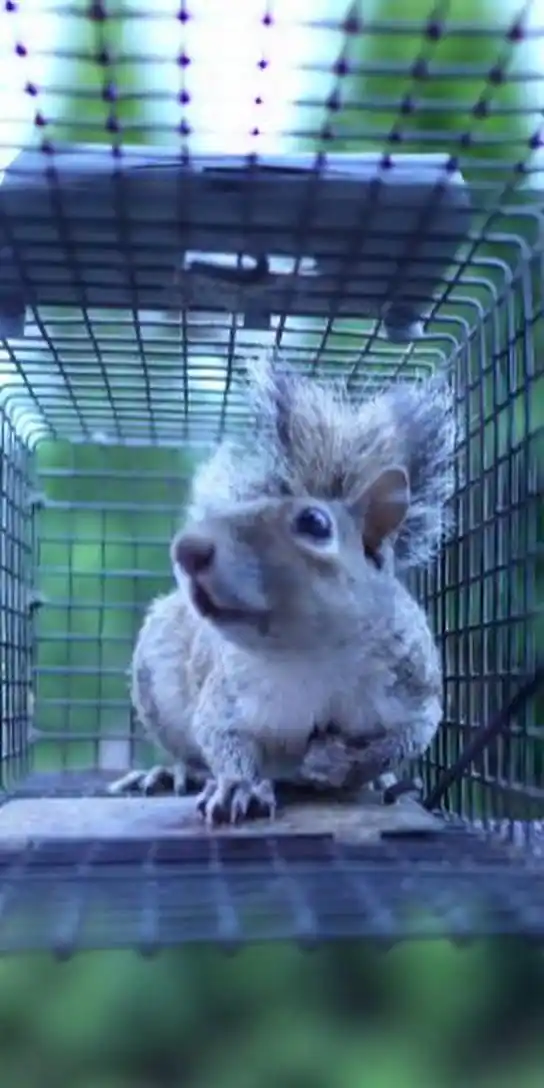
Eastern gray squirrels are year-round residents of Western North Carolina and among the most persistent wildlife problems for homeowners in wooded mountain communities. Unlike raccoons, which push through soft materials, squirrels chew and their ability to gnaw through wood, vinyl siding, aluminum fascia, and vent screens means that even small vulnerabilities in a roofline can become entry points within hours of being discovered.
Why Squirrels Enter Homes
Squirrels enter attics primarily to nest. Female squirrels give birth twice per year in North Carolina, once in late winter (January to February) and again in summer (June to July). The weeks leading up to each birth are when entry attempts peak, as pregnant females seek dry, sheltered nesting space above the insulation line.
Prevention Strategies That Work
Trim Trees Away From the Roofline
The most effective single step you can take is removing the overhanging highway. Squirrels travel along branches, leap onto rooftops, and explore every gap they find there. Trimming limbs so that the nearest branch ends at least 6 to 8 feet from the roofline significantly reduces squirrel access without requiring any structural change to the home.
Inspect and Repair Soffits, Fascia, and Vents
Walk the perimeter of your home and look up. Soft or rotted fascia boards, loose soffit panels, or gaps at the point where a porch roof meets the main structure are all common squirrel entry points. Replace rotted wood with treated lumber, re-secure loose soffit panels, and cover any open-faced soffit vents with heavy-gauge hardware cloth (not plastic, squirrels chew through it).
Install Metal Flashing Around Known Vulnerable Areas
Metal flashing installed around the base of chimneys, the junctions of dormers and main rooflines, and along the top edge of fascia boards discourages chewing at known weak points. Squirrels cannot chew through properly installed metal flashing.
Cap the Chimney
An uncapped chimney flue is an invitation. Install a stainless steel chimney cap with a mesh skirt that covers the full top of the chimney. This prevents squirrels, birds, bats, and raccoons from using the flue as an entry point.
What Not to Do
Do not use plastic vent covers, expandable foam alone, or bird netting as long-term exclusion material, squirrels gnaw through all of these materials. Do not apply repellents such as mothballs, cayenne pepper, or commercial spray repellents inside an attic; none of these deter determined squirrels and they create odor problems without solving the underlying issue.
If Squirrels Are Already Inside
Sealing the home before the squirrels are out will trap them inside, where they will chew their way through the drywall to escape. Have a professional inspect first, use one-way exclusion devices to allow the animals out, and complete the permanent seal only after the space has been confirmed empty.