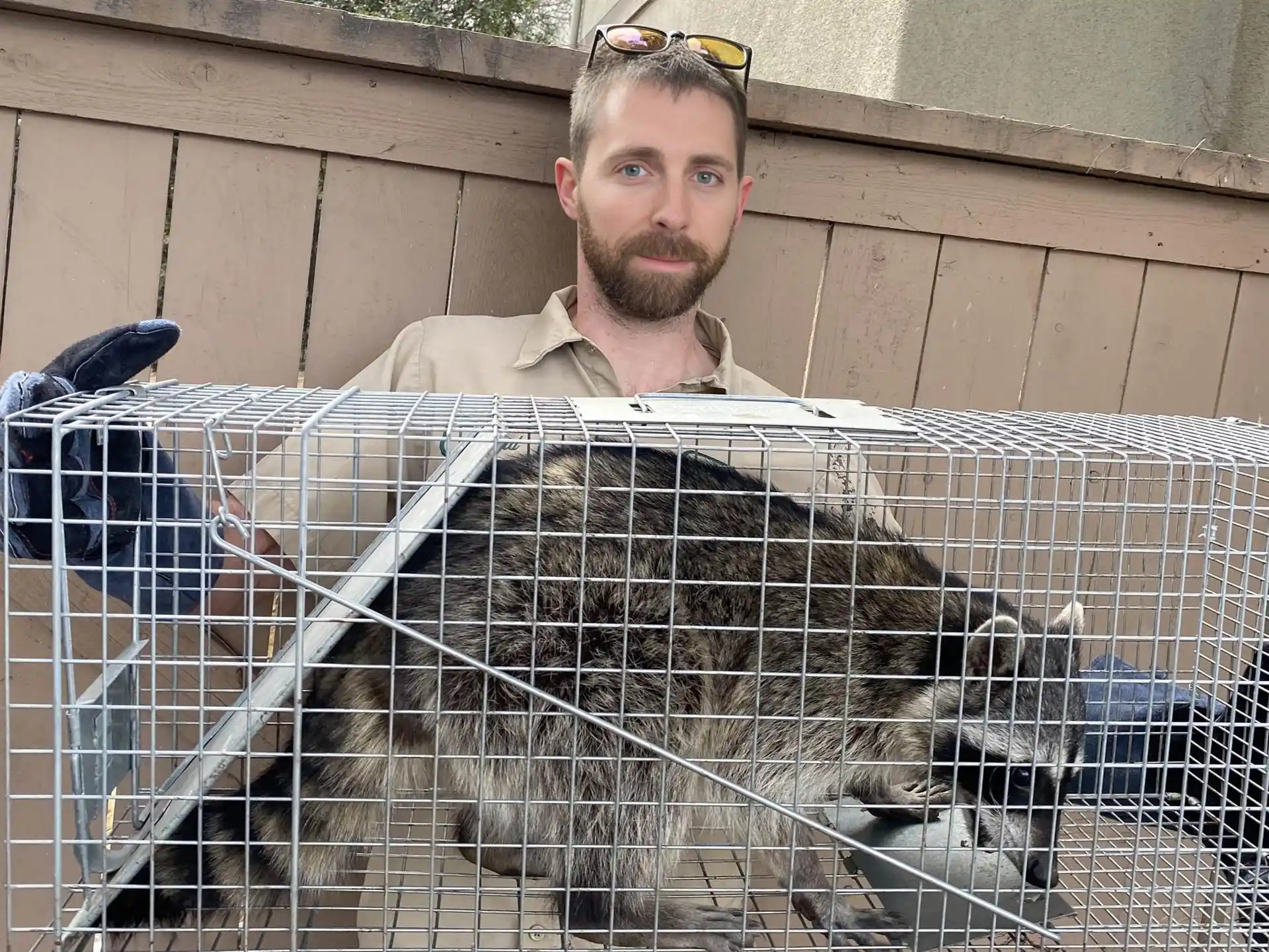
Raccoons are intelligent, adaptable, and genuinely useful members of North Carolina's wildlife community. They are also the second most common source of rabies cases in the state and carry a parasitic roundworm that is dangerous to humans and can be fatal in severe cases. Understanding these risks proportionately, neither dismissing them nor panicking, is the most useful approach for homeowners who regularly encounter raccoons.
Rabies
Raccoons are one of the three primary rabies-vector species in North Carolina, alongside skunks and foxes (and to a lesser extent, bats). North Carolina reports more raccoon rabies cases than almost any other state. Most raccoons are not rabid; rabies transmission within a population is actually inefficient. But the risk is real and the consequences of exposure are serious enough to warrant careful behavior.
A rabid raccoon does not always behave dramatically. While the classic signs (stumbling, self-mutilation, extreme aggression) are associated with the later stages, an infected animal in the earlier phase may appear merely disoriented or unusually bold. Any raccoon that approaches a human without fear, is active in full daylight, or appears confused or uncoordinated should be avoided and reported to your county animal control.
If a raccoon bites or scratches a person or pet, contact your county health department immediately. Post-exposure prophylaxis (PEP) for humans is highly effective when administered promptly. Keep pets current on rabies vaccination, it is both legally required and genuinely protective.
Raccoon Roundworm (Baylisascaris procyonis)
Raccoon roundworm is a parasitic nematode that infects raccoons throughout their range in North Carolina. Adult worms live in the raccoon's small intestine and shed large numbers of eggs in fecal material. Those eggs are then deposited wherever raccoons defecate, including inside attic latrines.
The dangerous part: Baylisascaris eggs become infective 2 to 4 weeks after being shed, and the eggs can remain viable in soil or insulation for years. If accidentally ingested by a human, typically through hand-to-mouth contact after touching contaminated insulation or soil, the larvae migrate through body tissues. In severe cases, this migration can reach the central nervous system or eyes with serious consequences.
This is why raccoon attic cleanup requires HEPA equipment and is not a DIY job.
Leptospirosis
Raccoon urine can carry Leptospira bacteria, which causes leptospirosis, a flu-like illness in humans that can progress to liver and kidney involvement in severe cases. Exposure occurs through direct contact with contaminated water or surfaces. Avoid contact with raccoon urine and wash thoroughly after any work near raccoon activity.
The Practical Bottom Line
Keep raccoons out of your home. An attic raccoon is not just an inconvenience, it is a genuine contamination event. The cleanup is as important as the removal.