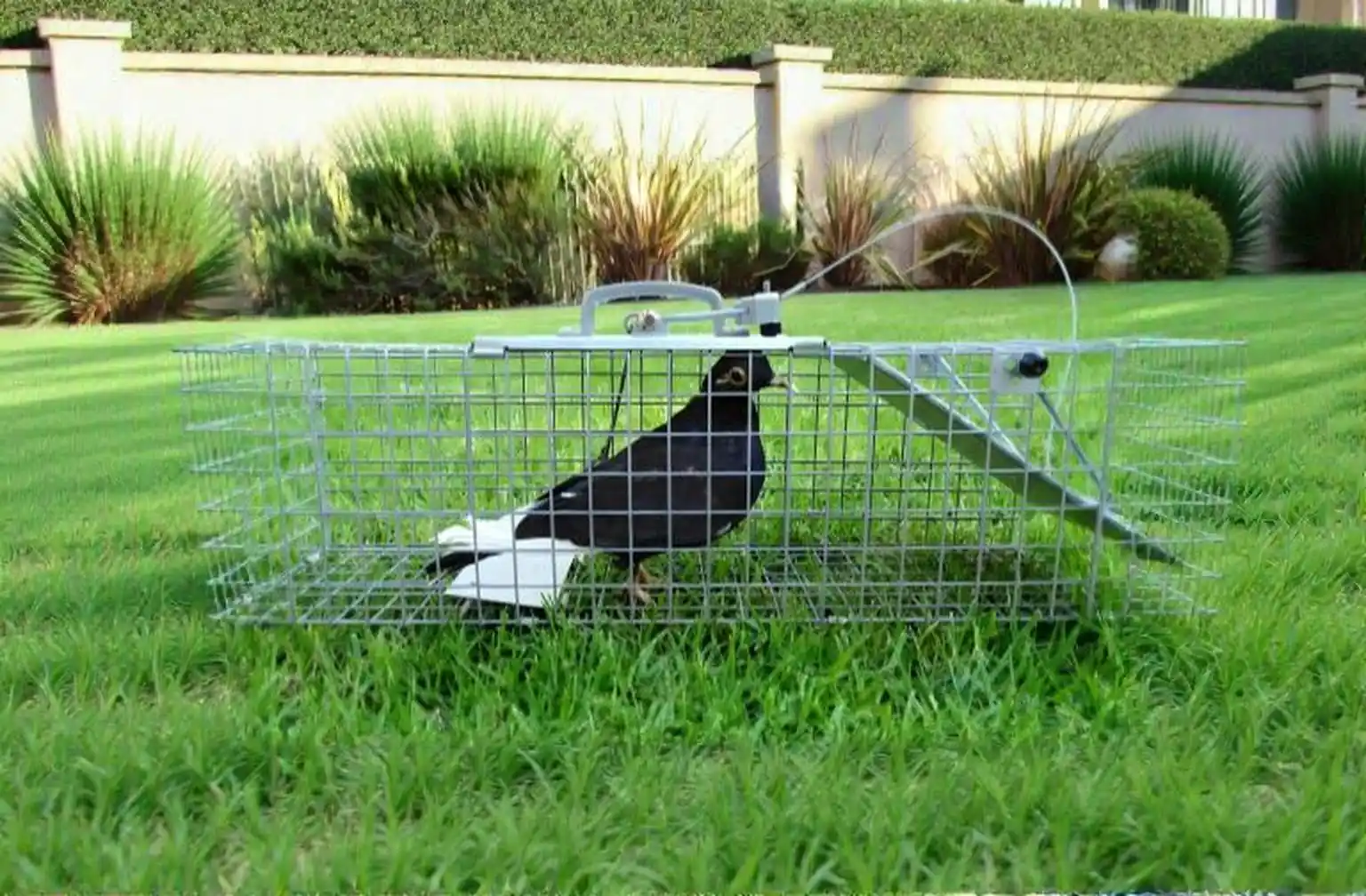
Bird control in North Carolina requires understanding the legal landscape before anything else. Nearly every native bird species in the state is protected under the federal Migratory Bird Treaty Act (MBTA), which makes it illegal to harm, capture, kill, or destroy the eggs or nests of protected species without a federal permit. There are exceptions, house sparrows, European starlings, and pigeons are not native species and are therefore not protected, but knowing which bird you are dealing with determines which methods are available.
Protected vs. Unprotected Species in NC
The three primary nuisance bird species that are not protected under the MBTA are:
- European starling (Sturnus vulgaris): Iridescent black bird with yellow bill. Aggressive cavity-nester that displaces native woodpeckers and bluebirds.
- House sparrow (Passer domesticus): Small brown-streaked sparrow with a gray crown. Commonly nests in building voids, exhaust vents, and under eaves.
- Rock pigeon (Columba livia): Common city and commercial-area pigeon. Creates fecal accumulation and roof damage issues.
Protected species that are commonly encountered as nuisance birds include: chimney swifts, which nest in chimneys; purple martins, which nest in colony houses; and various woodpeckers, which are federally protected even when causing property damage.
Exclusion Methods That Work
Exhaust Vent Covers
Dryer vents, bathroom exhaust vents, and range hoods are among the most common bird nesting sites in residential buildings. Install bird-proof vent covers with flapper doors that close when the appliance is not running. Birds nesting inside an exhaust vent block airflow, create fire hazard from lint accumulation, and introduce parasites into the ductwork.
Chimney Caps
A properly fitted stainless steel chimney cap with mesh skirting prevents starlings, sparrows, and non-protected birds from nesting in the flue. Chimney swifts, which are protected, are present in many NC chimneys during their nesting season (May to August). Do not seal a chimney swift colony during the nesting season.
Physical Deterrents
Bird spikes installed along ledges, pipes, and flat surfaces prevent pigeons and starlings from roosting. Heavy-gauge bird netting stretched across openings, eave gaps, or loading dock areas is effective for larger exclusion areas. Slope panels installed at 45 degrees over flat surfaces eliminate footing for roosting birds.
Woodpecker Damage
Woodpecker damage to wood siding is a separate and federally protected situation. All woodpecker species in NC are protected. The most effective deterrents for woodpecker damage are physical, visual deterrents, reflective tape, or hardware cloth installed over the damaged area, not lethal control. Persistent damage may indicate an insect infestation inside the wood that is attracting the woodpecker; address the underlying insect problem and woodpecker activity typically moves on.