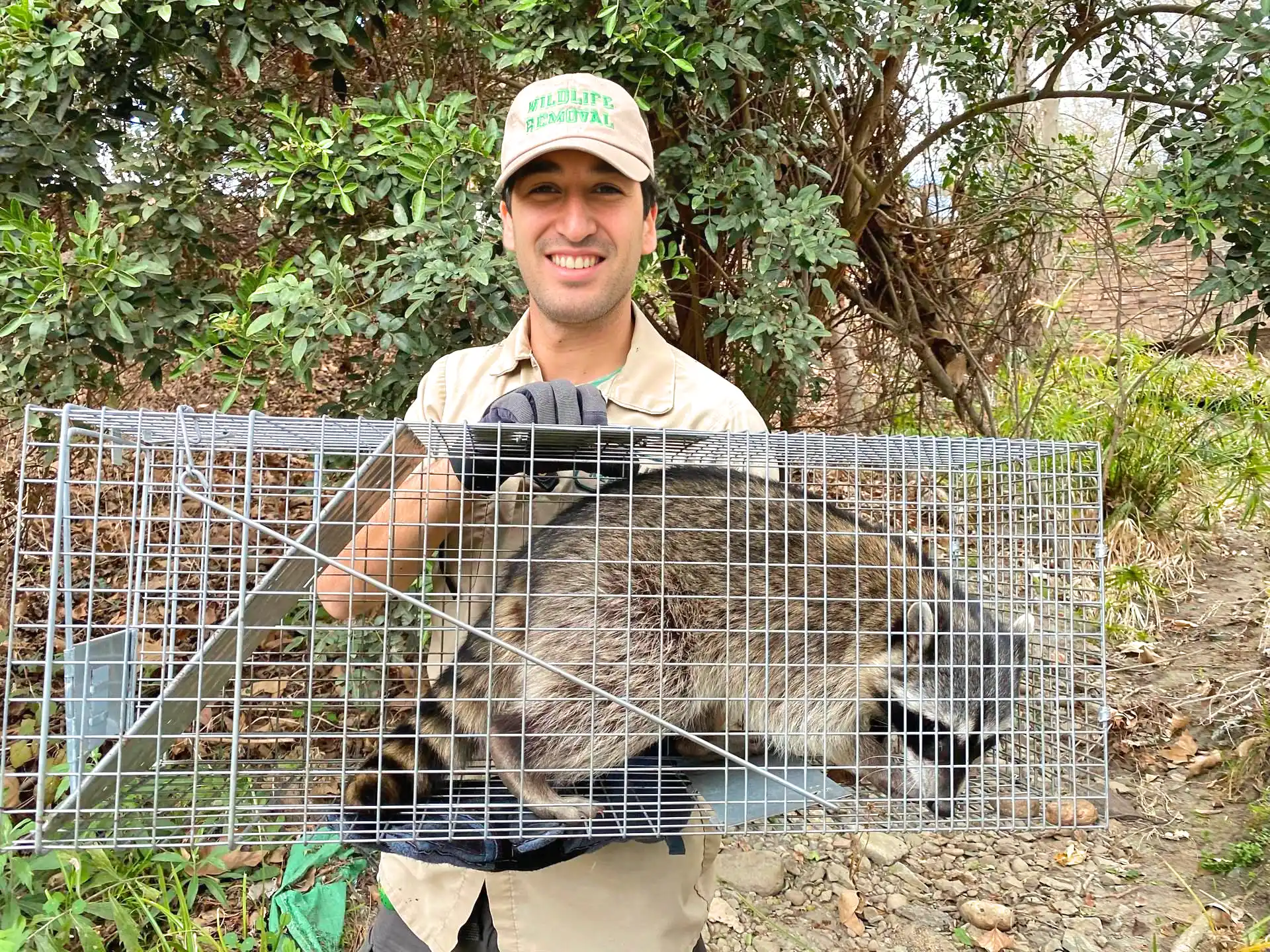
Wildlife exclusion is the practice of identifying and closing every structural gap that could allow an animal to enter a building. It is distinct from trapping in an important way: trapping removes one animal, while exclusion prevents the next one. For homeowners in Western North Carolina, where wooded lots, mountain terrain, and aging cabin stock create frequent wildlife encounters, a periodic exclusion inspection is the most cost-effective wildlife management tool available.
The Most Common Entry Points
Roof Returns and Soffit Junctions
The gap where a porch or addition roof returns into the main structure is one of the most commonly overlooked entry points in mountain homes. Water intrusion causes wood rot at these junctions, and soft or rotted wood is easy for raccoons and squirrels to push through or chew. Inspect these areas with a flashlight and binoculars from the ground annually.
Gable Vents
Traditional triangular gable vents often have plastic or aluminum louvers with openings large enough to admit squirrels. Replace plastic vent screens with heavy-gauge galvanized hardware cloth stapled to a wooden backing and secured with screws at each corner.
Fascia Boards
Wood fascia boards at the roofline deteriorate over time, particularly in the wet mountain climate of WNC. Soft or rotted fascia is a target for squirrels, and a gap between the fascia and the roof deck provides direct attic access. Replace rotted boards with treated lumber and consider painting or wrapping with aluminum coil stock for long-term protection.
Crawlspace Vents
Damaged or missing crawlspace vent screens allow skunks, opossums, groundhogs, and snakes to enter freely. Install heavy-gauge wire mesh covers over all crawlspace vents. Check foundation gaps where pipes, wires, or HVAC lines enter the structure and seal with appropriate materials, steel wool and expanding foam for small gaps, sheet metal for larger ones.
Chimney Tops
An uncapped chimney flue is an entry point for raccoons, squirrels, birds, and bats. A stainless steel chimney cap with a mesh skirt is the correct solution. Avoid galvanized caps in the mountains, where moisture accelerates corrosion.
Materials That Hold Up
Use heavy-gauge galvanized steel hardware cloth (16-gauge or heavier, 1/2-inch mesh) for mesh closures. Lightweight plastic mesh, window screen, and thin aluminum flashing are all materials that squirrels and raccoons can defeat. Metal flashing at roofline junctions, solid blocking at gable peaks, and treated lumber for fascia replacement are the standard materials for professional exclusion work.