Wildlife activity in Western North Carolina follows a seasonal pattern that is partly driven by the same mountain climate that makes the region attractive to humans. Elevation, forest cover, and the seasonal availability of food and shelter create a year-round cycle of wildlife movement and behavior that directly affects how often and when homeowners encounter wildlife problems.
Late Winter and Early Spring (February – April)
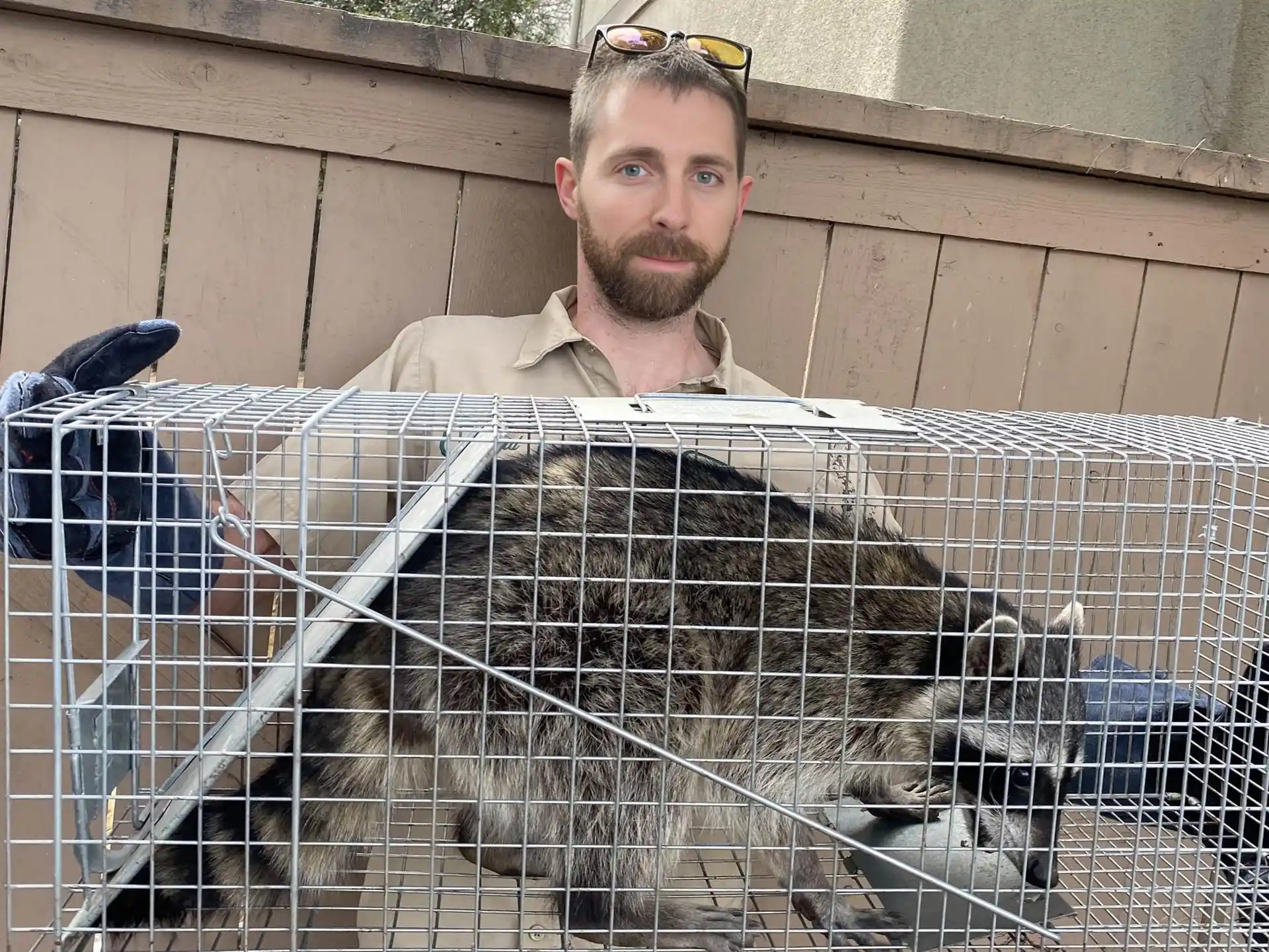
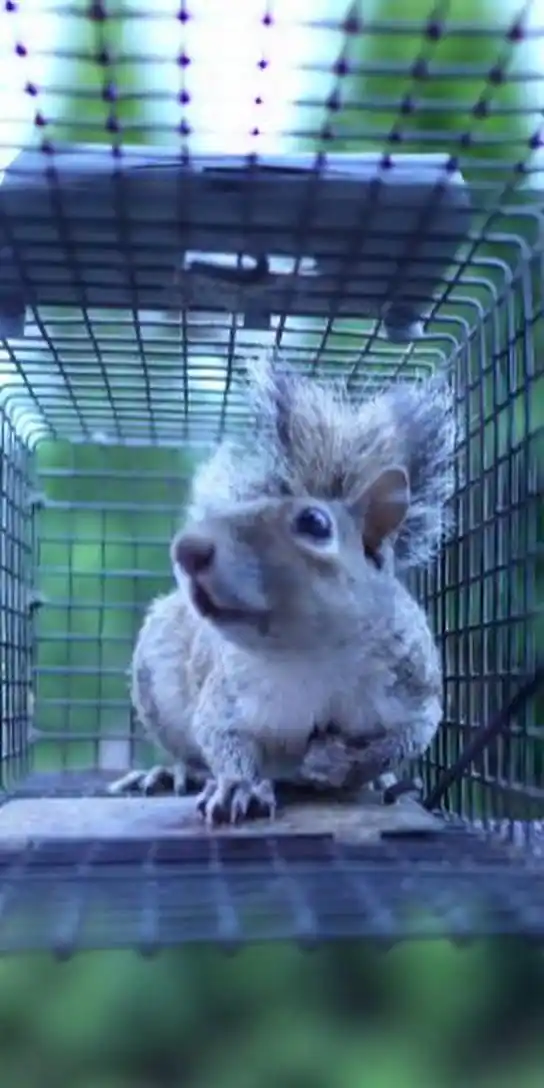
This is the peak period for raccoon attic calls. Female raccoons seek dry, enclosed attic spaces to give birth in late winter and early spring, before leaf-out and warmer temperatures. Squirrel nesting activity also peaks in February, when females bear their first litter. Skunks emerge from their winter torpor in February and March and become active in their search for mates, skunk spray calls and denning calls under decks increase during this period.
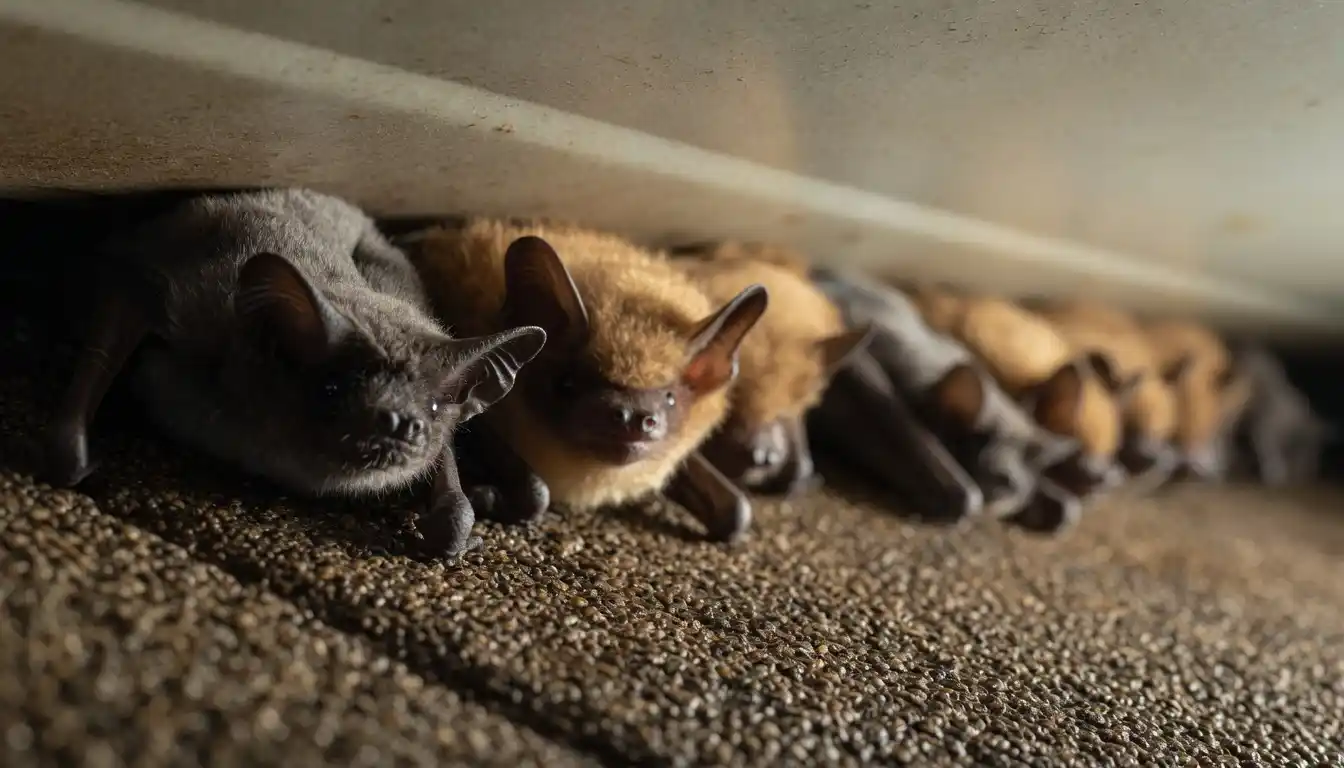
Bat colonies in attics and wall cavities begin to stir as temperatures warm. Spring is the last window for bat exclusion before the May 1 maternity restriction takes effect.
Spring (April – May)
Snake activity increases dramatically as temperatures rise above 50°F. Copperheads emerge from winter denning in rocky outcroppings and begin establishing summer ranges around structures. Opossum breeding litters begin appearing. Birds return from wintering grounds and begin nest-building in vents, chimneys, and soffits, the primary nesting window for house sparrows and starlings. After May 1, bat exclusion cannot be performed while maternity colonies are raising young.
Summer (June – August)
Bat maternity colonies are active, exclusion cannot be performed during this period. Young raccoons from the spring litter begin to travel with their mothers and are commonly seen. Snake activity is at its annual peak. Squirrels bear a second litter in June or July. Opossum young become independent in late summer.
Fall (September – November)
Bat exclusion resumes after mid-August as juvenile bats become fully mobile. Squirrels are highly active as they cache food for winter, this is a peak period for squirrel attic entry attempts. Skunks and raccoons increase foraging as they prepare for winter. Flying squirrels become more active as nighttime temperatures drop and they seek interior denning sites.
Winter (December – January)
Raccoons are still active throughout the WNC winter, particularly during mild periods. Bats enter winter torpor in rock crevices and cave systems, bat exclusion can be performed in late fall and early spring but not while bats are present in cold weather. Flying squirrels are active year-round in the mountains and often press into attic spaces during cold snaps.