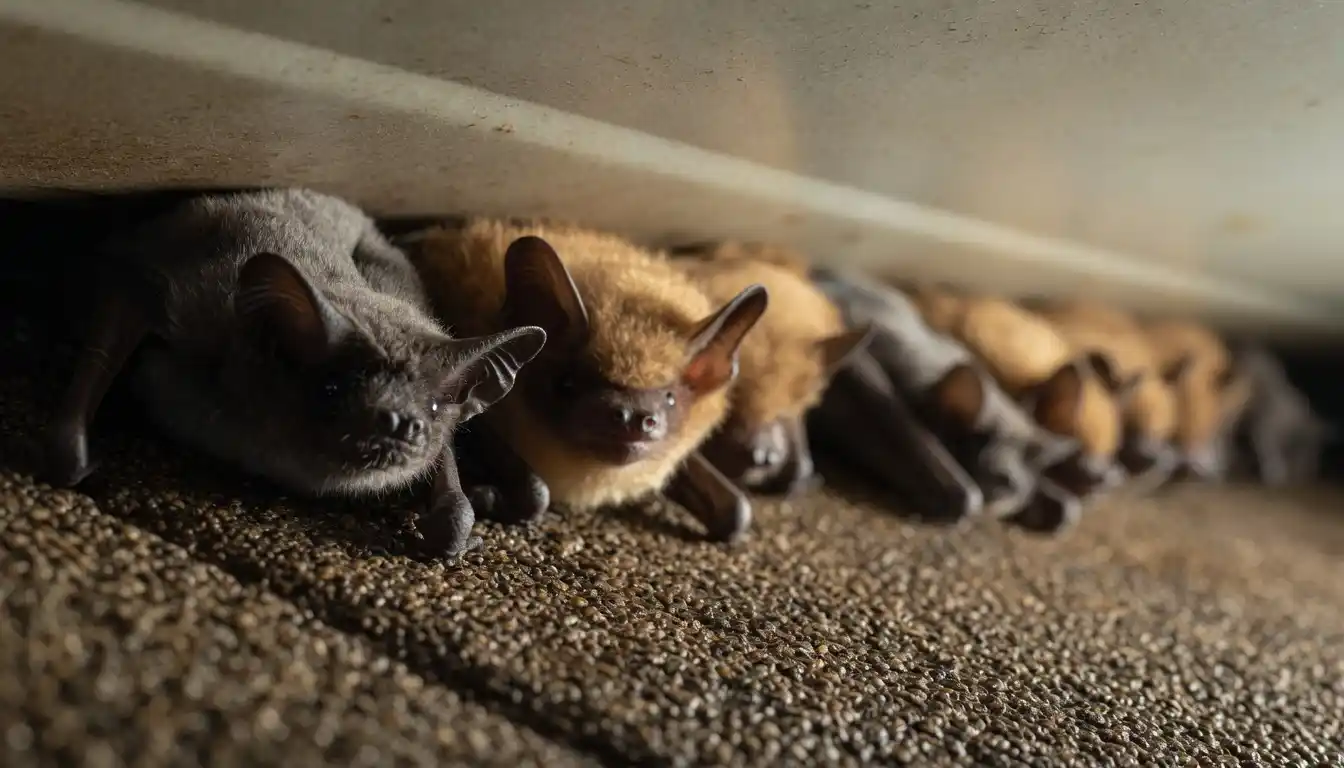
Scratching sounds inside the walls are among the most unnerving wildlife scenarios for homeowners, partly because the sound is close and interior but the source is invisible. The good news is that the pattern of sounds, when they occur, how loud they are, where they are concentrated, provides reliable clues about the species before any inspection begins.
Scratching at Night: Most Likely Candidates
Mice
Mice are the most common source of light scratching sounds inside walls, particularly in older mountain homes and cabins. The sounds are soft, rapid, and often directional, you can hear movement progressing up and down inside a stud bay. Mice are primarily nocturnal and most active in the first few hours after dark. Their sounds are distinctly lighter than any of the larger species.
Flying Squirrels
Flying squirrels are nocturnal, unlike Eastern gray squirrels, which are daytime animals. Flying squirrels are small and their sounds are correspondingly light, often similar to mice but with slightly more movement range. They glide rather than run through the attic, so you may hear a thump followed by light movement rather than the consistent scrambling of a running animal. Flying squirrels are common in WNC mountain communities but are often misidentified as mice.
Raccoons
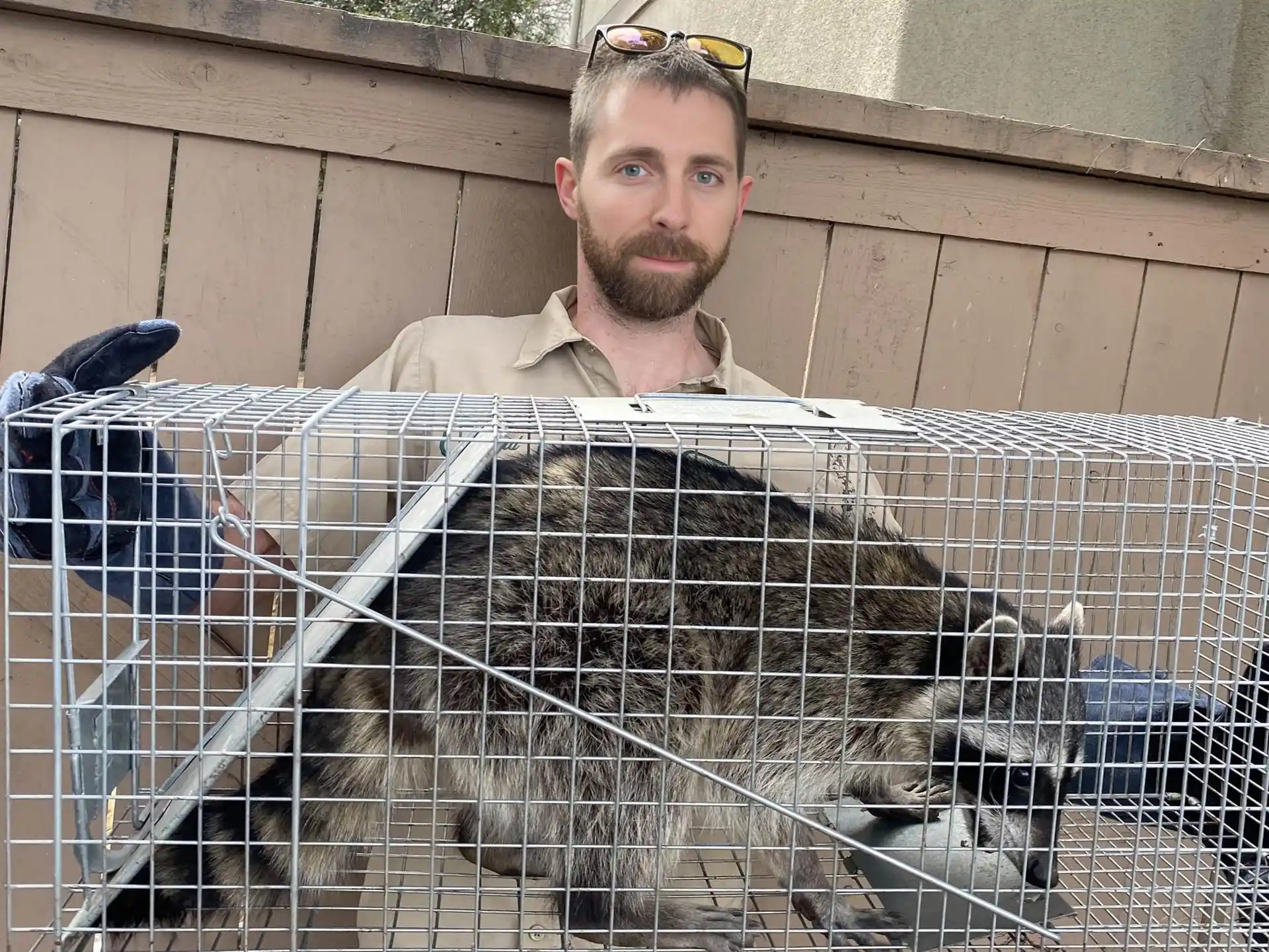
A raccoon inside a wall cavity, usually in a space between floors or in a gap behind exterior sheathing, produces heavy, slow sounds that are clearly much larger than a rodent. If you are hearing something substantial moving slowly through a wall, raccoon is a strong candidate.
Scratching During the Day
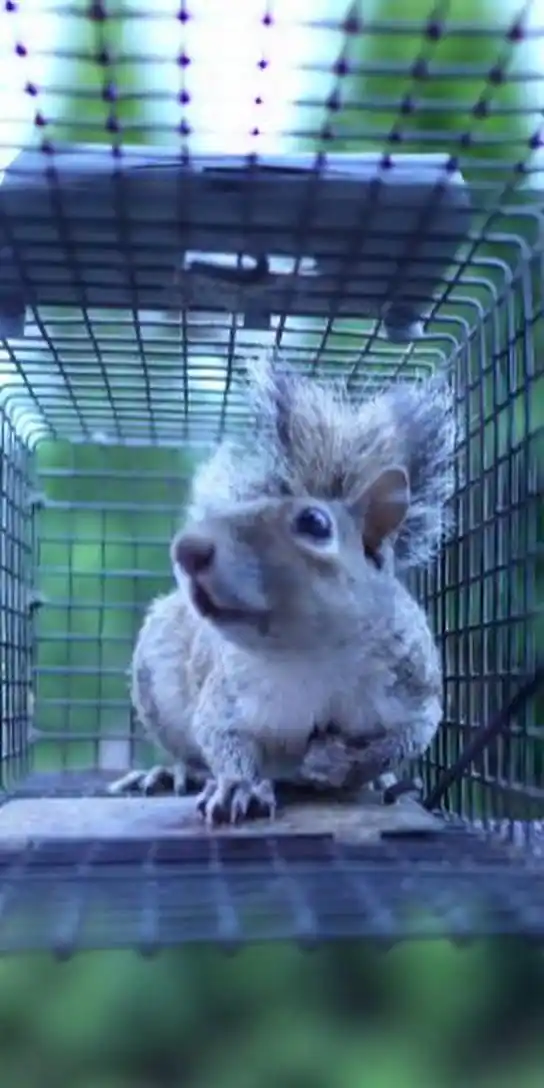
Daytime scratching inside walls is most often squirrels or birds. Eastern gray squirrels are active during the day and commonly use wall cavities near the soffit line as travel routes between the attic and nesting areas. Birds nesting in exhaust vents that run through interior walls can produce scratching and pecking sounds that appear to come from inside the wall.
What to Do
Note the time and location of the sounds carefully before calling for inspection; this information significantly narrows the species possibilities. Do not begin trying to seal openings from the inside or place glue traps inside wall cavities; trapping an animal in a wall cavity requires its body to be recovered afterward or the odor becomes a secondary problem. A professional inspection from the exterior identifies where animals are entering and can address the problem without interior access in most cases.