Attic sounds are often the first sign homeowners notice of a wildlife problem and knowing what you are hearing can tell you a great deal about what species is present before an inspection even begins. Raccoons, squirrels, bats, birds, and mice all produce distinctly different sounds at different times of day, and matching the sound to the behavior patterns of each species makes it much easier to identify the problem quickly.
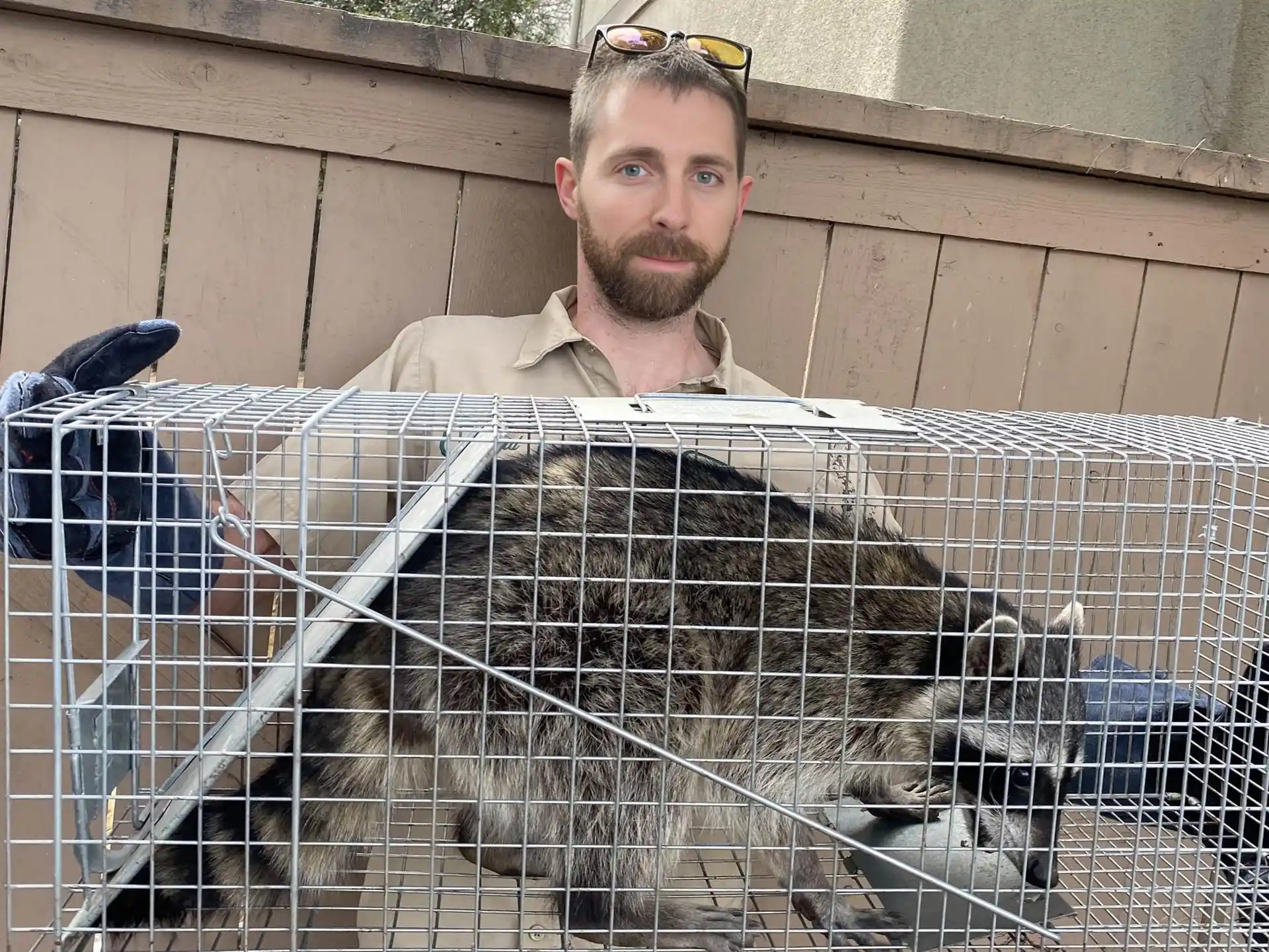
Raccoon Sounds in the Attic
Timing: Primarily nocturnal. Most active after dark and just before dawn.
Sound: Heavy, slow thumping. The movement of an adult raccoon sounds remarkably like a person moving around overhead, deliberate footsteps, dragging sounds as nesting material is moved, and occasional vocalizations. In spring, you may hear high-pitched chittering or mewing from raccoon kits. A large family group can sound like genuine activity from a person-sized animal.
Other indicators: Damaged soffit or fascia visible from outside; strong ammonia odor in the upper floor; staining on the ceiling below the attic.
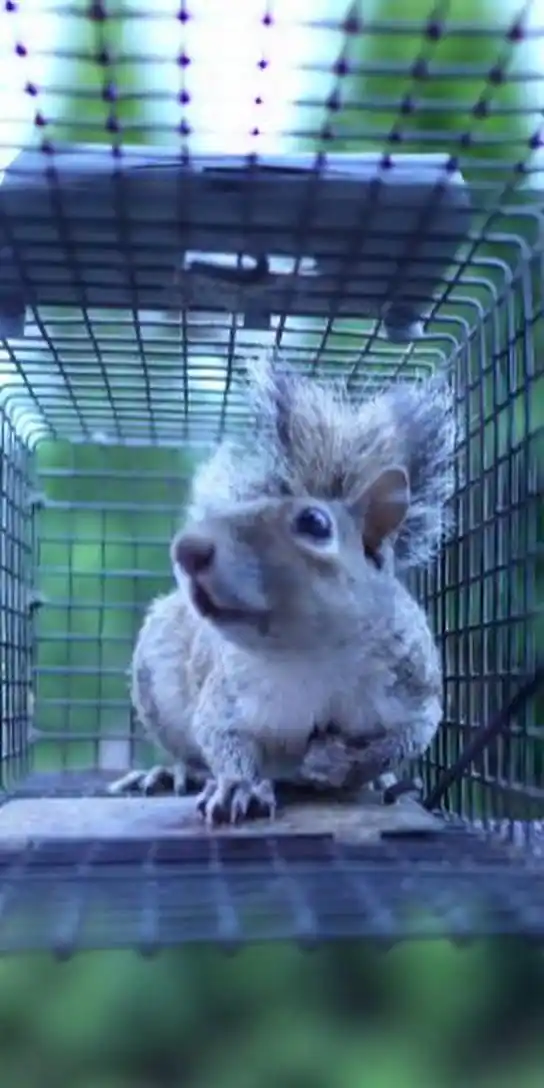
Squirrel Sounds
Timing: Primarily diurnal. Most active during the day, especially in the morning and late afternoon. Quiet at night.
Sound: Fast, light scrambling and scratching. Squirrels move quickly and often run the same routes repeatedly, so the sound has a repetitive quality; you may hear the same path traveled multiple times in quick succession. Gnawing sounds, a dry, persistent chewing noise, are also common and indicate chewing activity on wood or wiring.
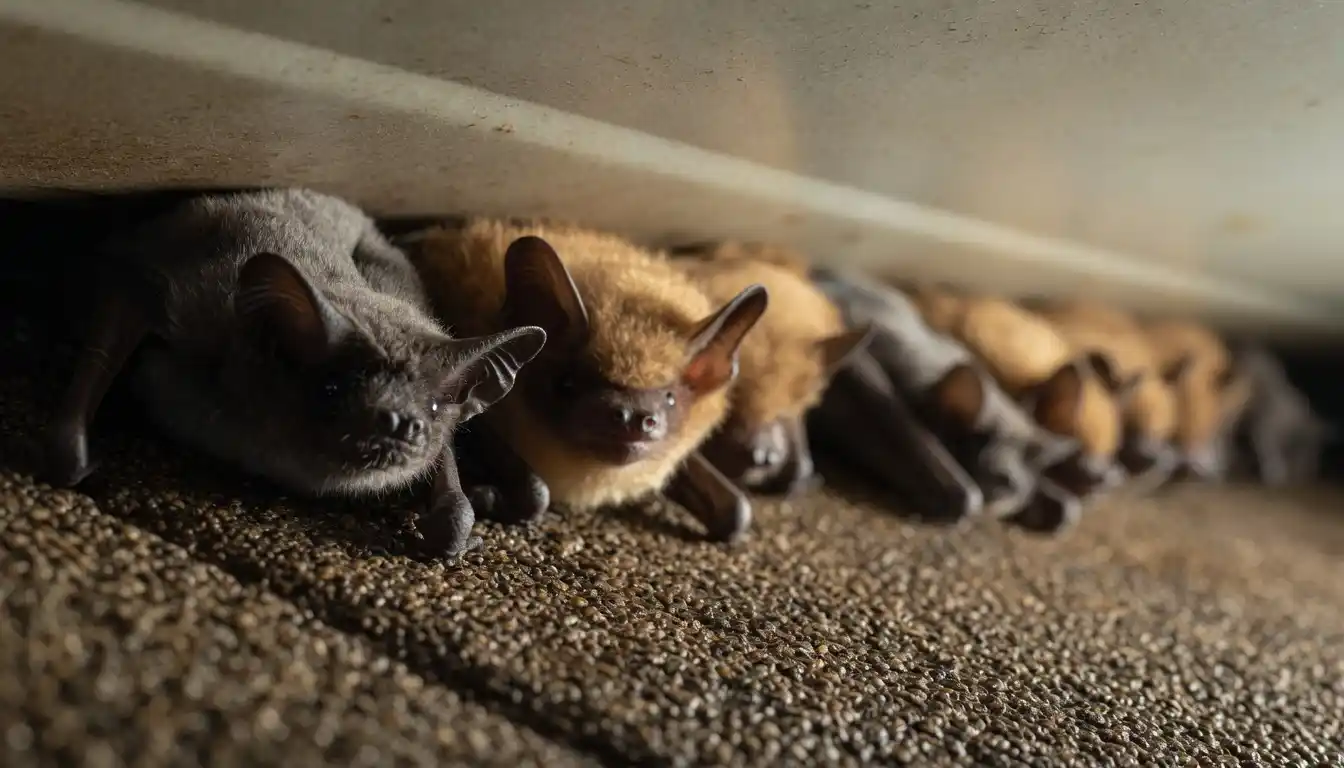
Bat Sounds
Timing: Nocturnal. Movement concentrated at dusk as the colony exits to feed and at dawn as they return.
Sound: Soft chittering and scratching at the roofline level. Bats do not thump; they are small and their sounds are correspondingly light. A large colony may produce an audible squeaking or chittering near the roofline gap they use to exit. Inside the attic, sounds are often subtle, soft rustling and chittering.
Birds
Timing: Diurnal. Active during daytime hours.
Sound: Scratching, pecking, and sometimes singing from inside a vent or chimney. Birds nesting in exhaust vents can be heard moving inside the duct. Scratching sounds in the chimney during the day often indicate European starlings or house sparrows.
Mice and Rats
Timing: Primarily nocturnal.
Sound: Very light scratching and scurrying inside walls, between the ceiling and floor above, and in attic insulation. Similar to squirrel sounds but faster and lighter, and with a quality of thin scratching rather than scrambling.
If you are unsure what you are hearing, note the time of day, whether the sound is overhead or inside a wall, and whether it is repetitive or random. That information helps significantly when you call for an inspection.