A common misconception among Western North Carolina homeowners is that wildlife attic problems resolve themselves in winter when animals "hibernate." The reality is more nuanced; several of the most common attic species in WNC are active year-round, and winter is actually the time of year when a denning animal causes some of the most concentrated damage inside an attic space.
Animals Active in WNC Attics in Winter
Raccoons
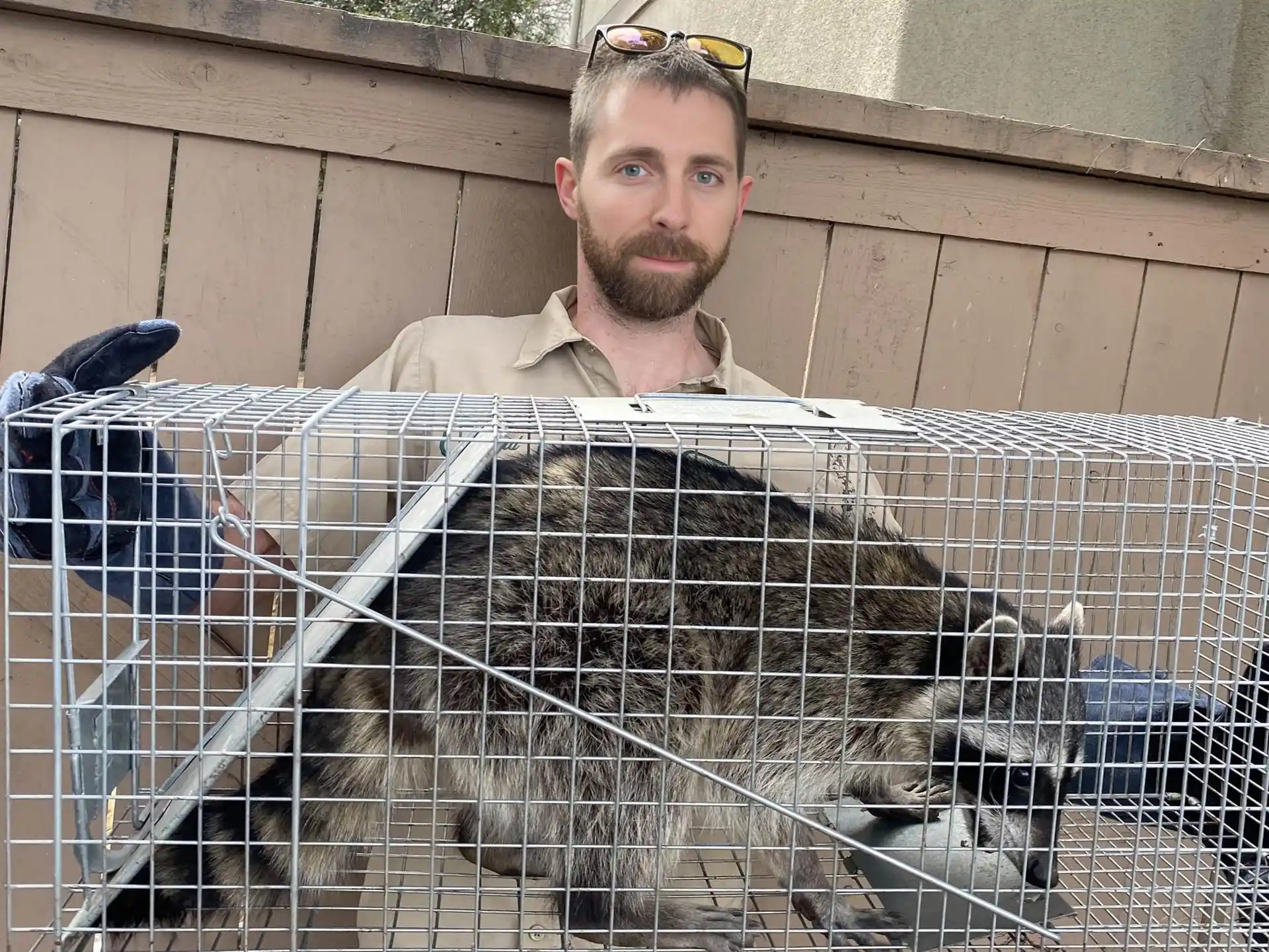
Raccoons do not hibernate. In WNC's mountain climate, raccoons enter a state of torpor during the coldest stretches, reducing activity for days or weeks at a time, but they do not become fully dormant. A raccoon denning in your attic in December is spending more time there than at any other time of year. The concentrated presence means more droppings, more urine, and more insulation damage than during the active warmer months when the animals range more widely. Female raccoons begin seeking den sites for their spring litter in late January, so January and February are critical months to address an active infestation before the young arrive.
Flying Squirrels
Flying squirrels are nocturnal and often overlooked because their sounds are lighter than Eastern gray squirrels. They are active year-round in WNC and may press into attic spaces during cold snaps, sometimes in groups, seeking insulated warmth. Flying squirrel infestations are frequently misidentified as mice until an inspection reveals entry points sized for a larger animal.
Gray Squirrels
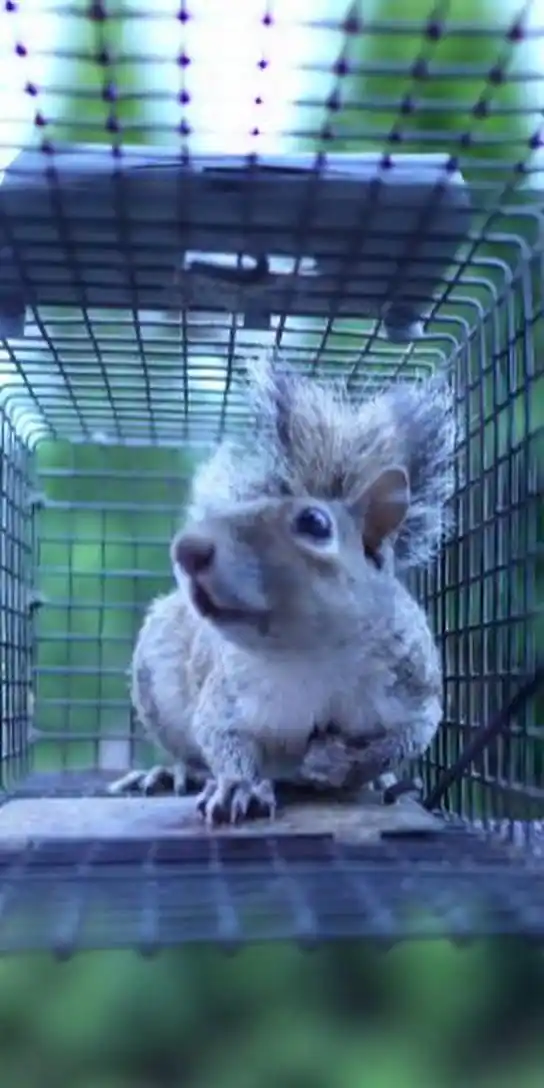
Eastern gray squirrels do not hibernate and remain active throughout the WNC winter, foraging on cached food during the day. Attic entry is possible at any time of year, but pressure on existing gaps increases during cold periods when animals seek warmth.
Animals Less Active in Winter
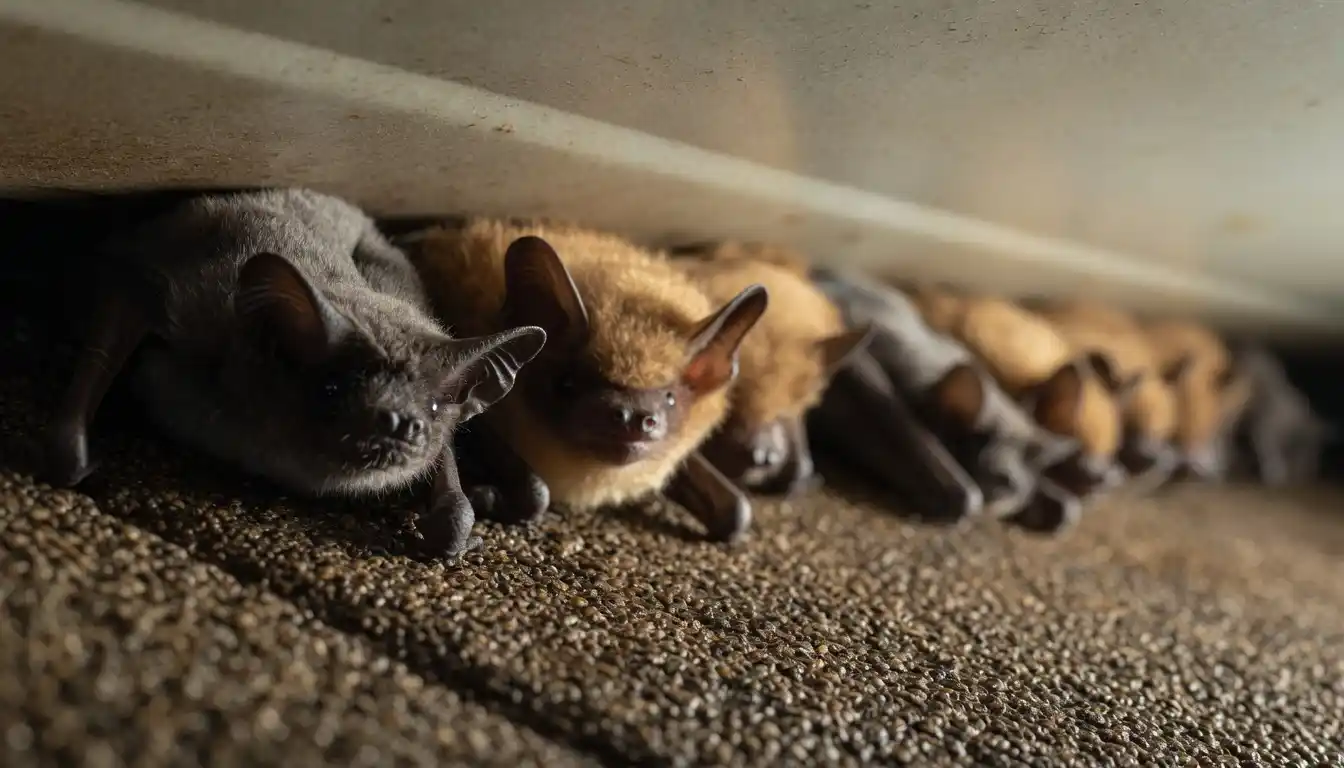
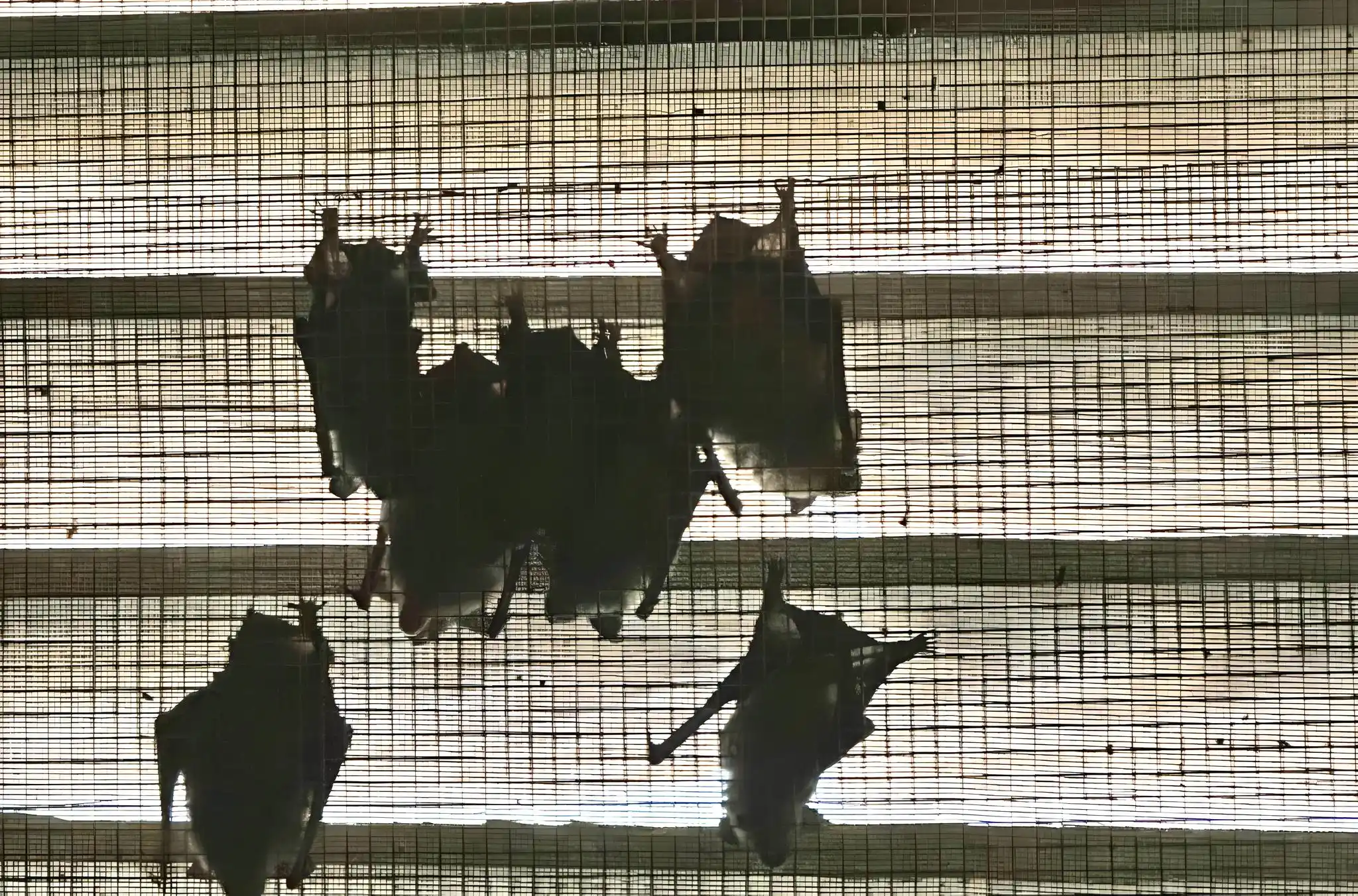
Bats enter winter torpor, typically retreating to caves, mine shafts, and other hibernation sites in late fall. Bat exclusion can be performed in early fall before this occurs or in spring after bats begin returning, but not while bats are in active torpor inside the roost. Snakes also reduce activity significantly below 50°F, though copperheads in WNC may remain partially active during mild stretches.
Winter as the Right Time for Structural Work
Winter is actually an excellent time for attic inspection and entry-point sealing in WNC. Deciduous trees have lost their leaves, making roofline gaps visible from the ground. Bat exclusion timing restrictions are not in effect. Leaf litter is frozen rather than concealing entry points. If you have noticed sounds in the attic at any point in the year, winter inspection and exclusion, for non-bat species, is a practical option.