A persistent, unexplained odor inside a home is one of the most common wildlife-related complaints in Western North Carolina, and it is often one of the most disorienting, because the source is usually inside a wall cavity, above the ceiling, or under the floor where it cannot be directly seen. Different species and different situations produce distinctly different odors, and matching the smell to the likely source helps narrow the problem significantly.
Ammonia Odor: Almost Always Wildlife Urine
A sharp, persistent ammonia smell in an upper-floor room is almost always the result of urine soaking through attic insulation and drywall from an animal den above. Raccoon latrines are a particularly concentrated source, a family of raccoons produces significant urine volume in a small area over weeks, and the ammonia permeates through the ceiling material. The odor is strongest directly below the den site and may worsen in warm, humid weather as volatility increases.
Decomposition Odor: An Animal Has Died
A sweet, nauseating odor that intensifies over several days and then gradually fades over one to three weeks is the characteristic smell of an animal decomposing inside a wall or attic space. This happens when a trapped animal dies in place, either because it was sealed in or because it was sick or injured. Flies appearing inside the home near baseboards or light fixtures are a secondary indicator. Finding and removing the carcass requires locating the source, which typically means opening the wall or ceiling at the point where the odor is strongest.
Musty Odor from Bat Guano
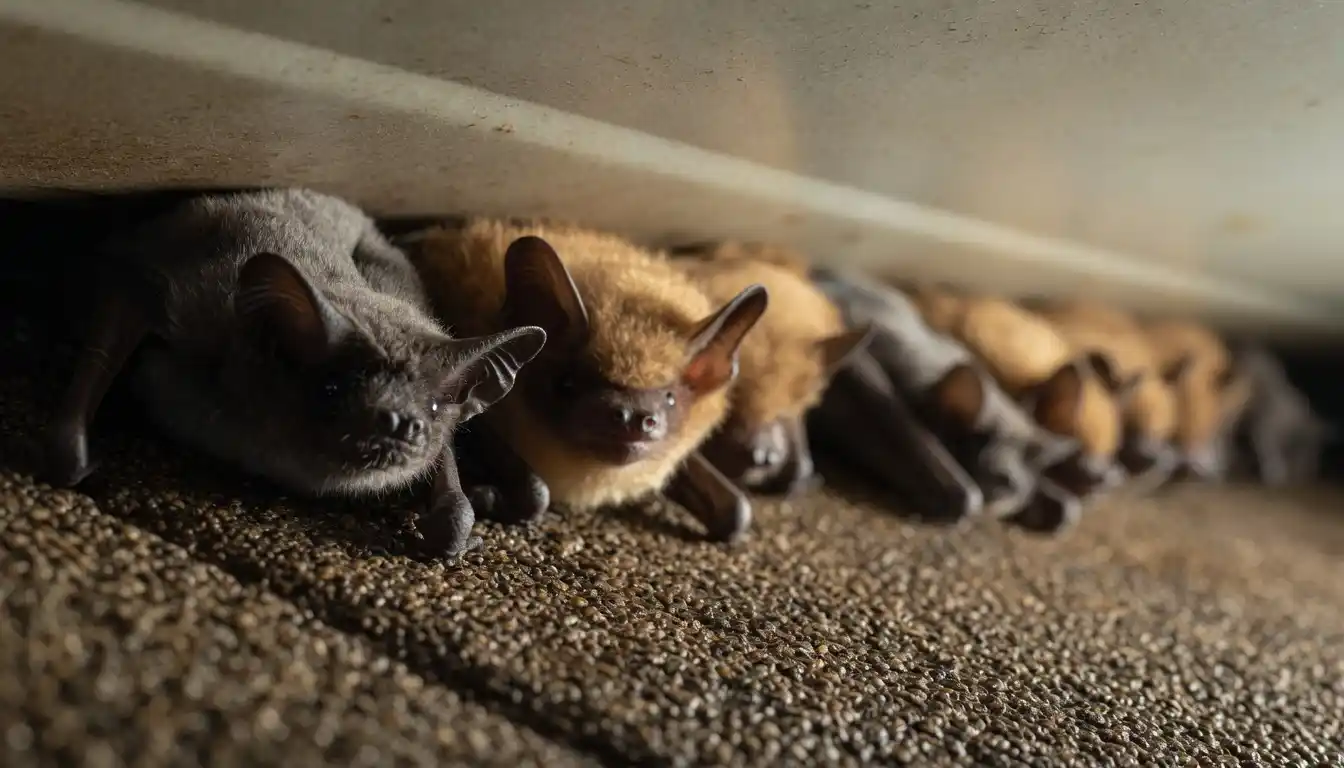
A large bat colony produces an odor that is sometimes described as musty, musky, or like a barnyard, distinct from ammonia. The guano itself accumulates and generates an organic odor that can permeate through the ceiling and walls. This odor also has health significance: the dust from dried bat guano may carry Histoplasma spores.
Skunk Odor
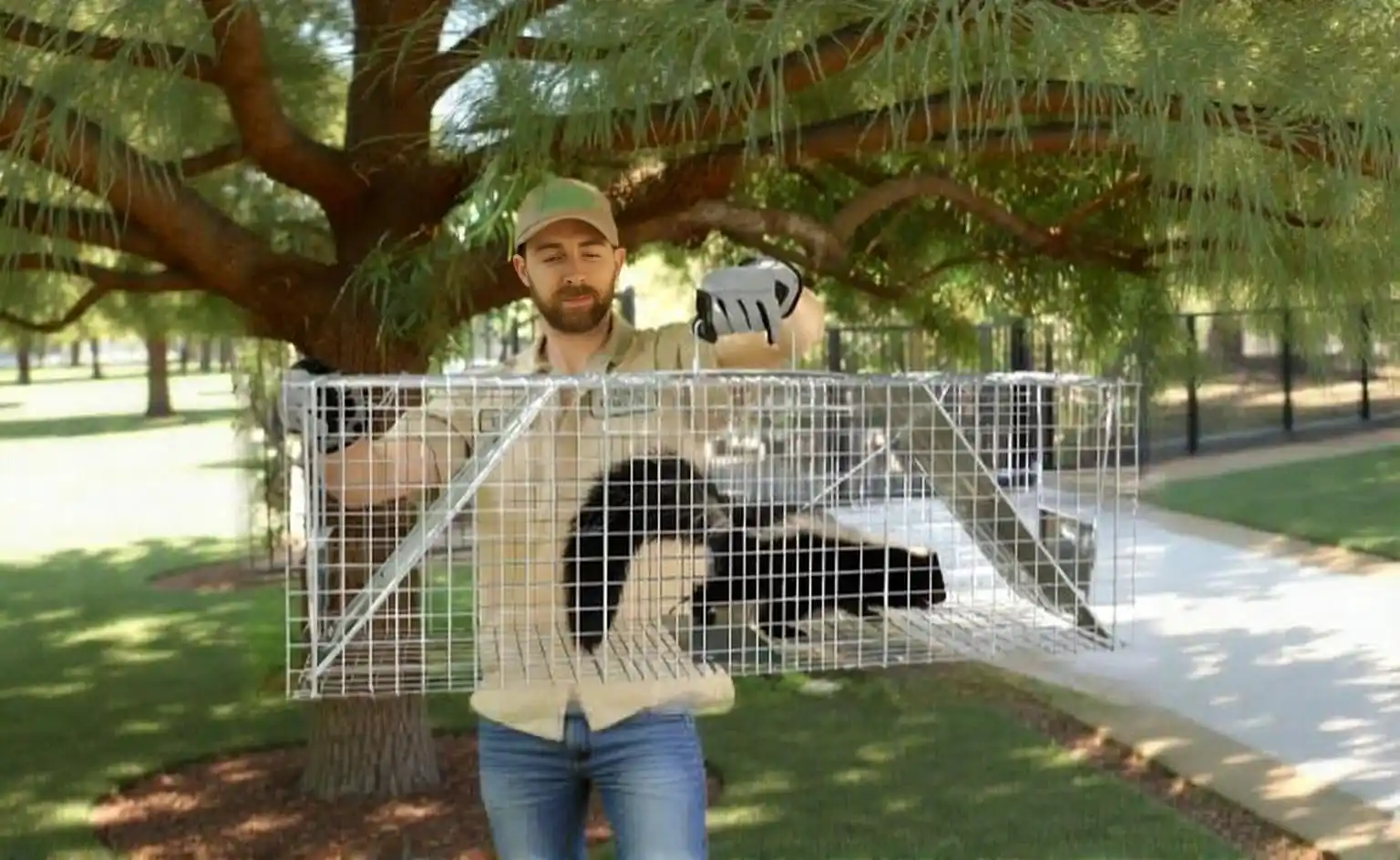
Skunk spray near a foundation vent or crawlspace entry is unmistakable and will permeate through the structure if not treated at the source. The odor enters through crawlspace vents and can persist for days. Address the source first, remove the skunk, seal the access point, and then treat the spray site.
What To Do
A wildlife odor that you cannot locate requires an inspection, not air freshener. Masking products treat the symptom without addressing the cause, and an unresolved wildlife situation continues to generate odor indefinitely. An inspection identifies the species, the location, and the contamination extent, giving you an accurate picture of what remediation is needed.