Snake Removal in Western NC
Most snakes found in WNC homes are non-venomous and entered following prey. A few are not. We identify the species, remove it safely, and address the conditions that attracted it.
Professional Snake Removal in Western North Carolina
Western North Carolina has a wide variety of snake species, most of which are completely harmless and beneficial to the local ecosystem. The two venomous species you are most likely to encounter near a home are the Eastern copperhead and, at higher elevations and in rockier terrain, the timber rattlesnake. A timber rattlesnake is a species of special concern in North Carolina. Both species should be treated with respect and left to a professional if found inside a structure. For non-venomous species, the same general rule applies: let a professional handle the removal to avoid unnecessary stress to the animal.
Signs You Have a Snake Problem
- Shed snake skins in the basement, crawl space, or garage
- Sighting of a snake inside the home, particularly in lower levels
- Noticing a decline in the rodent population near the home (snakes follow prey)
- Finding snake feces, which appear as a smear with white urate deposits at one end
- Sightings of snakes under debris piles, wood stacks, or in overgrown areas close to the foundation
Common Entry Points
- Gaps along the sill plate where the framing meets the foundation
- Foundation cracks, especially in older stone or block foundations
- Gaps around utility penetrations: pipes, conduit, dryer vents
- Poorly sealed crawl space vents
- Open garage doors or basement windows
Risks and Concerns
Non-venomous snakes found in a home typically pose no direct risk to humans, though a startled snake will defend itself if cornered. The Eastern copperhead and timber rattlesnake are the venomous species most relevant to Western North Carolina. A copperhead bite is painful and can be medically serious, particularly for children and people with compromised health. A rattlesnake bite requires immediate emergency care. If you cannot positively identify a snake as non-venomous, treat it as if it may be venomous and do not attempt to handle it.
Seasonal Notes for Western NC
Snakes are most active from spring through fall in WNC. They become lethargic and seek shelter as temperatures drop and are generally inactive through the winter. Snake activity peaks in warm weather, particularly after spring rains that push prey animals to higher ground. Snakes seek warm, sheltered areas in early spring as they emerge from overwintering sites, which is when many structure intrusions occur.
What To Do
- Keep your distance and note the size, color pattern, and head shape if you can do so safely; this information helps with identification
- Keep children and pets away from the area
- Reduce harborage near the foundation: wood piles, debris, and tall grass all attract the rodents and frogs that attract snakes
What Not To Do
- Do not attempt to handle, pin, or kill a snake you cannot positively identify as non-venomous
- Do not use glue boards for snakes. They cause unnecessary suffering and are not effective as a long-term solution.
- Do not assume a copperhead or rattlesnake is dead when motionless. Both species can appear dead and still strike.
Our Snake Removal Services
Every removal comes with an inspection and exclusion plan. These are the services typically involved.
🦝 Raccoon Removal
Raccoons are the most common wildlife call in Western North Carolina. We locate every entry ...
🐿️ Squirrel Removal
Eastern gray squirrels chew through soffits, fascia, and attic vents to nest inside WNC home...
🦇 Bat Removal
Several bat species in Western North Carolina are federally protected. Exclusion timing matt...
🐍 Snake Removal
North Carolina has 37 native snake species, including 6 venomous ones. We identify the speci...
🐦 Bird Control
House sparrows, European starlings, and pigeons cause real damage to WNC properties. All nat...
🦨 Skunk Removal
Striped and spotted skunks both live in WNC and dig dens under decks, porches, and slabs. Sp...
🐾 Opossum Removal
Virginia opossums are common throughout WNC and frequently enter crawlspaces, sheds, and gar...
🏠 Attic Wildlife Removal
Many WNC homes have multi-species attic infestations. A proper removal starts with identifyi...
🔒 Wildlife Exclusion & Entry-Point Sealing
Animals re-enter homes through openings they already know. We seal every gap using heavy-gau...
🧹 Wildlife Damage Cleanup & Sanitation
Raccoon latrines, bat guano, and contaminated insulation carry serious health risks long aft...
Snake Removal Questions
In Western North Carolina, the two venomous species are the Eastern copperhead (hourglass pattern, copper-colored head, triangular head shape) and the timber rattlesnake (heavy-bodied, rattles, heat-sensing pits between the eye and nostril). Assume any heavy-bodied snake with a distinctly triangular head is venomous until identified otherwise. When in doubt, leave it alone.
The timber rattlesnake is a species of special concern in North Carolina, meaning it has legal protections. It cannot be killed or harassed without consequence under state law. If one is found on your property, a professional can relocate it legally.
Often, yes. Snakes follow their food supply. A snake inside a structure frequently indicates a rodent presence that was already there. Addressing both the snake removal and the conditions that attracted it (including any rodent activity) gives a more complete solution.
Related Articles
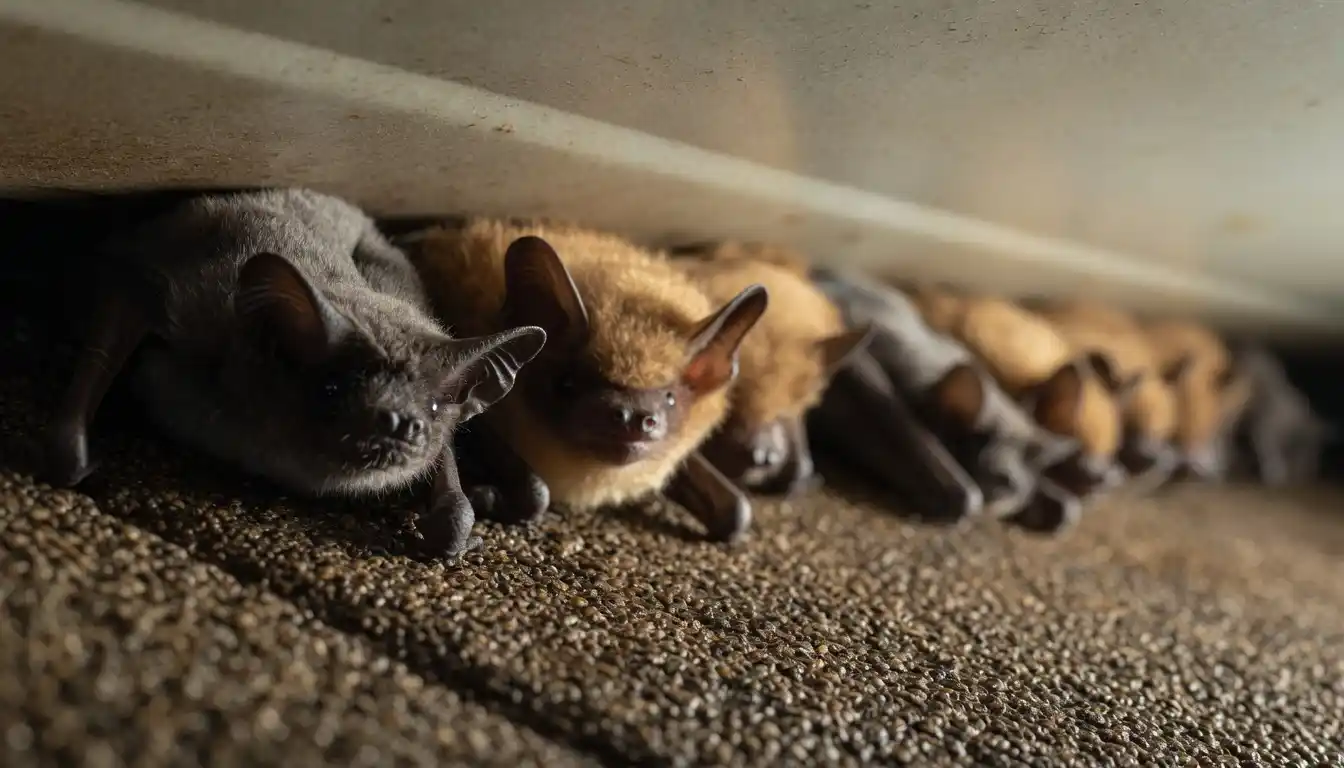
Why Professional Bat Removal Is Essential for Your Safety
Bat removal in North Carolina has strict legal timing and species-specific requirements. Getting ...
Read more →
Snake Identification and Safe Removal Tips for Western NC
North Carolina has 37 native snake species, 6 of them venomous. Here is how to identify common mo...
Read more →
When to Call a Professional Wildlife Removal Service
Some wildlife situations you can resolve yourself. Others require a professional. Here is how to ...
Read more →Ready to Get Started?
Call or request removal online. We respond promptly, inspect thoroughly, and give you a clear plan before any work begins.