Skunk Removal in Western NC
Skunks den under decks, porches, and sheds. Most people do not know they have one until a spray incident. We remove them without triggering a spray, then exclude the understructure.
Professional Skunk Removal in Western North Carolina
Skunks are generally non-aggressive animals that only spray when they feel cornered or directly threatened. The problem is that they den under structures with very little warning, and standard removal attempts can lead to a spray incident if not handled correctly. Skunks are a rabies vector species in North Carolina. They are most commonly found denning under low decks, porches, stored sheds, and outbuildings with open access at the foundation.
Signs You Have Skunks
- Faint skunk odor near the structure, particularly in the morning before it disperses
- Shallow, conical holes in lawn or garden where skunks have dug for grubs
- Visual sighting of a skunk around the perimeter of the structure at dusk or dawn
- Scratch marks or disturbed soil near gaps at the foundation of a deck or porch
- Spray odor following a confrontation with a pet or predator
Common Den Sites
- Under low decks and porches with open gaps at the skirting
- Under stored sheds or outbuildings sitting on uneven ground
- Beneath concrete stoops with soil access at the perimeter
- Under woodpiles, debris piles, and other ground-level harborage
- Abandoned groundhog or fox burrows near the structure
Damage and Health Risks
Skunk spray is the primary practical concern, but skunks are also a rabies vector species in North Carolina. A skunk behaving strangely during daylight hours, appearing disoriented, or approaching without fear may be displaying signs of rabies and should not be approached. The spray itself causes temporary but intense burning in the eyes and is extremely difficult to remove from surfaces, fabric, and pet fur.
Seasonal Notes for Western NC
Skunks are most active in late winter and early spring during breeding season, typically February through March. Females give birth in May and nurse kits through late May and into June. Skunks found under a structure in late spring may be nursing females with kits. Removal during this period requires confirming that juveniles have not been left behind. Skunks are significantly less active in winter but do not fully hibernate.
What To Do
- Keep dogs on a leash near areas where skunk activity has been observed
- Apply exclusion fencing or lattice work around the base of decks and porches before skunks establish a den. Prevention is far simpler than removal.
- Call for removal as soon as you suspect a skunk is denning. The longer they stay, the more established the den becomes.
What Not To Do
- Do not corner or approach a skunk. A cornered skunk will spray.
- Do not attempt to block the den opening yourself without confirming the animal is out first
- Do not let a pet chase or corner a skunk
Our Skunk Removal Services
Every removal comes with an inspection and exclusion plan. These are the services typically involved.
🦝 Raccoon Removal
Raccoons are the most common wildlife call in Western North Carolina. We locate every entry ...
🐿️ Squirrel Removal
Eastern gray squirrels chew through soffits, fascia, and attic vents to nest inside WNC home...
🦇 Bat Removal
Several bat species in Western North Carolina are federally protected. Exclusion timing matt...
🐍 Snake Removal
North Carolina has 37 native snake species, including 6 venomous ones. We identify the speci...
🐦 Bird Control
House sparrows, European starlings, and pigeons cause real damage to WNC properties. All nat...
🦨 Skunk Removal
Striped and spotted skunks both live in WNC and dig dens under decks, porches, and slabs. Sp...
🐾 Opossum Removal
Virginia opossums are common throughout WNC and frequently enter crawlspaces, sheds, and gar...
🏠 Attic Wildlife Removal
Many WNC homes have multi-species attic infestations. A proper removal starts with identifyi...
🔒 Wildlife Exclusion & Entry-Point Sealing
Animals re-enter homes through openings they already know. We seal every gap using heavy-gau...
🧹 Wildlife Damage Cleanup & Sanitation
Raccoon latrines, bat guano, and contaminated insulation carry serious health risks long aft...
Skunk Removal Questions
Commercial de-skunking products containing hydrogen peroxide-based formulas are more effective than tomato juice. Rinse the dog thoroughly before bringing it inside to prevent the smell from permeating the home. We do not provide pet de-skunking, but we can remove the source of the problem.
Mothballs are a common recommendation but are not reliably effective as a deterrent. They also present a health hazard to children and pets and are not registered for that use under EPA regulations. Exclusion is the only approach that consistently works.
Skunks are a rabies vector species, which means they are capable of carrying and transmitting rabies. The risk from a healthy skunk denning under a deck is low as long as there is no direct contact. A skunk that appears disoriented, is active at midday, or approaches humans without fear warrants a call to both animal control and a wildlife removal professional.
Related Articles
Why Professional Bat Removal Is Essential for Your Safety
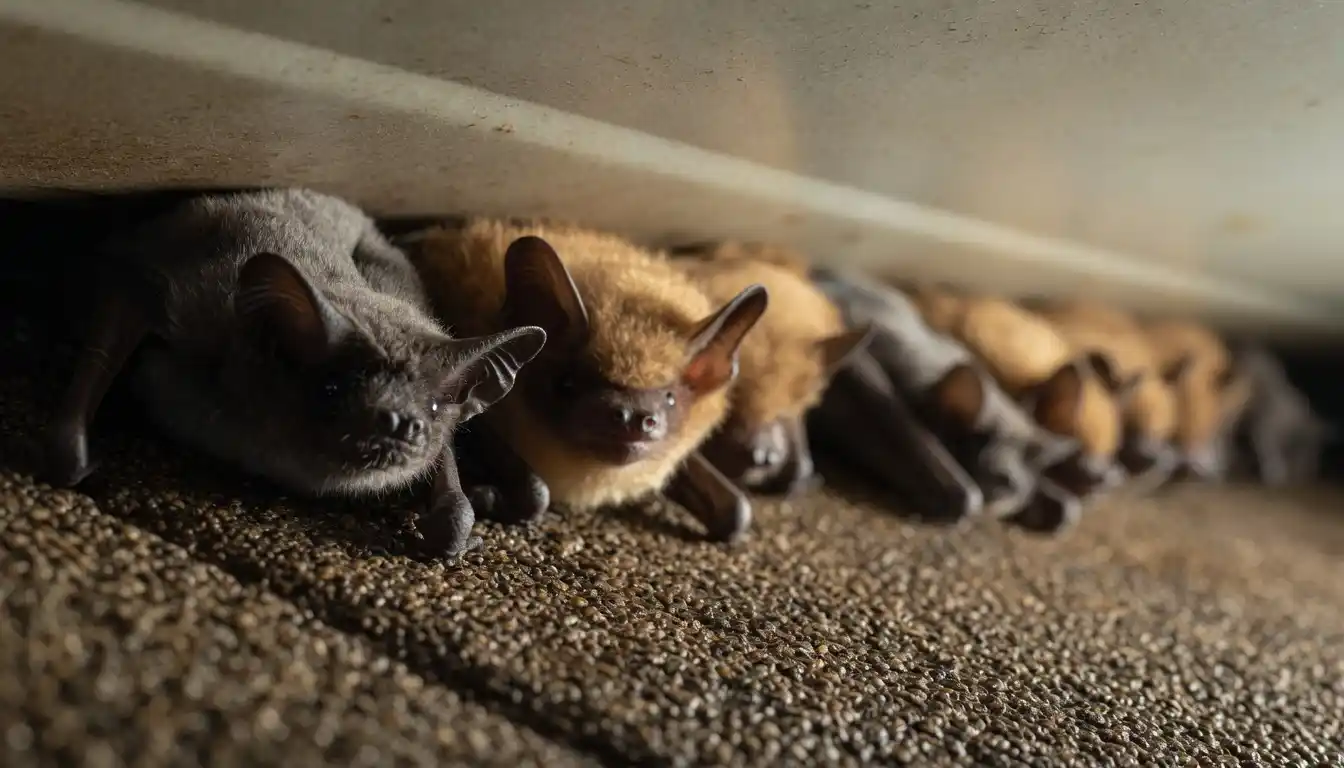
Bat removal in North Carolina has strict legal timing and species-specific requirements. Getting ...
Read more →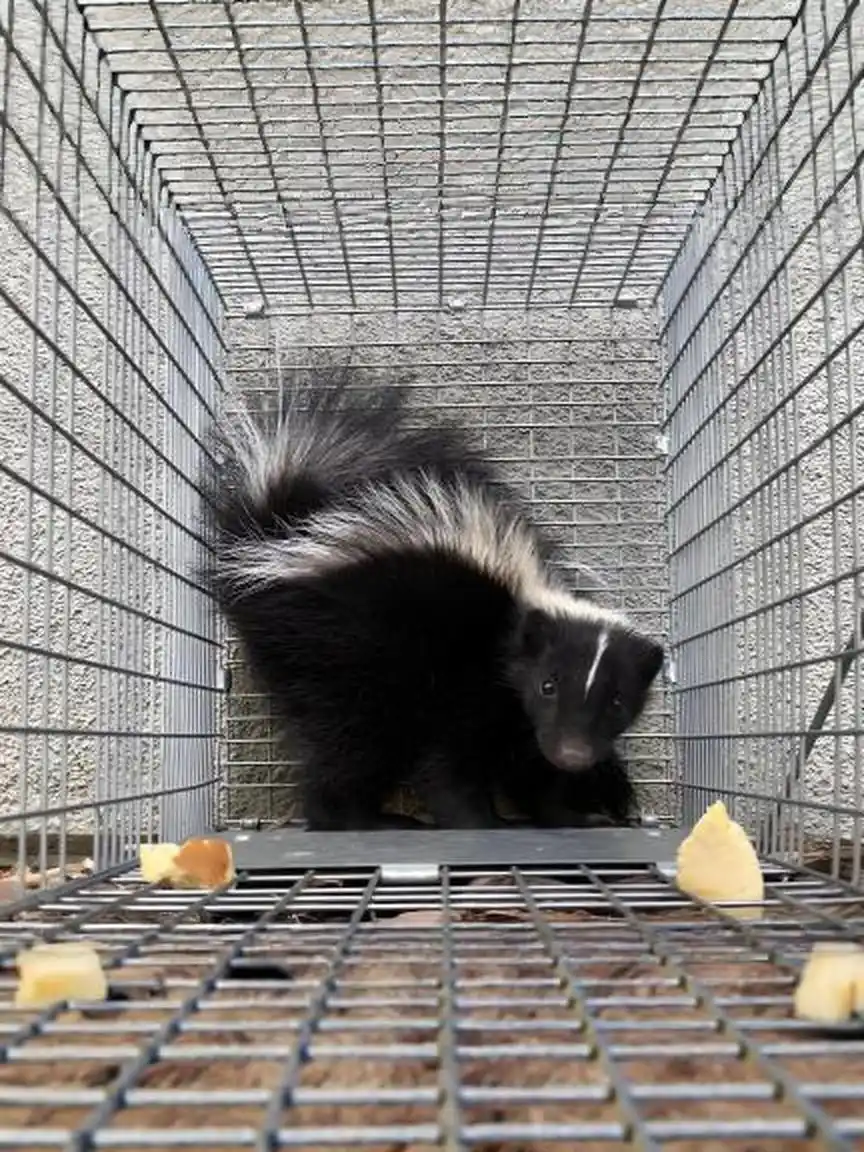
Snake Identification and Safe Removal Tips for Western NC
North Carolina has 37 native snake species, 6 of them venomous. Here is how to identify common mo...
Read more →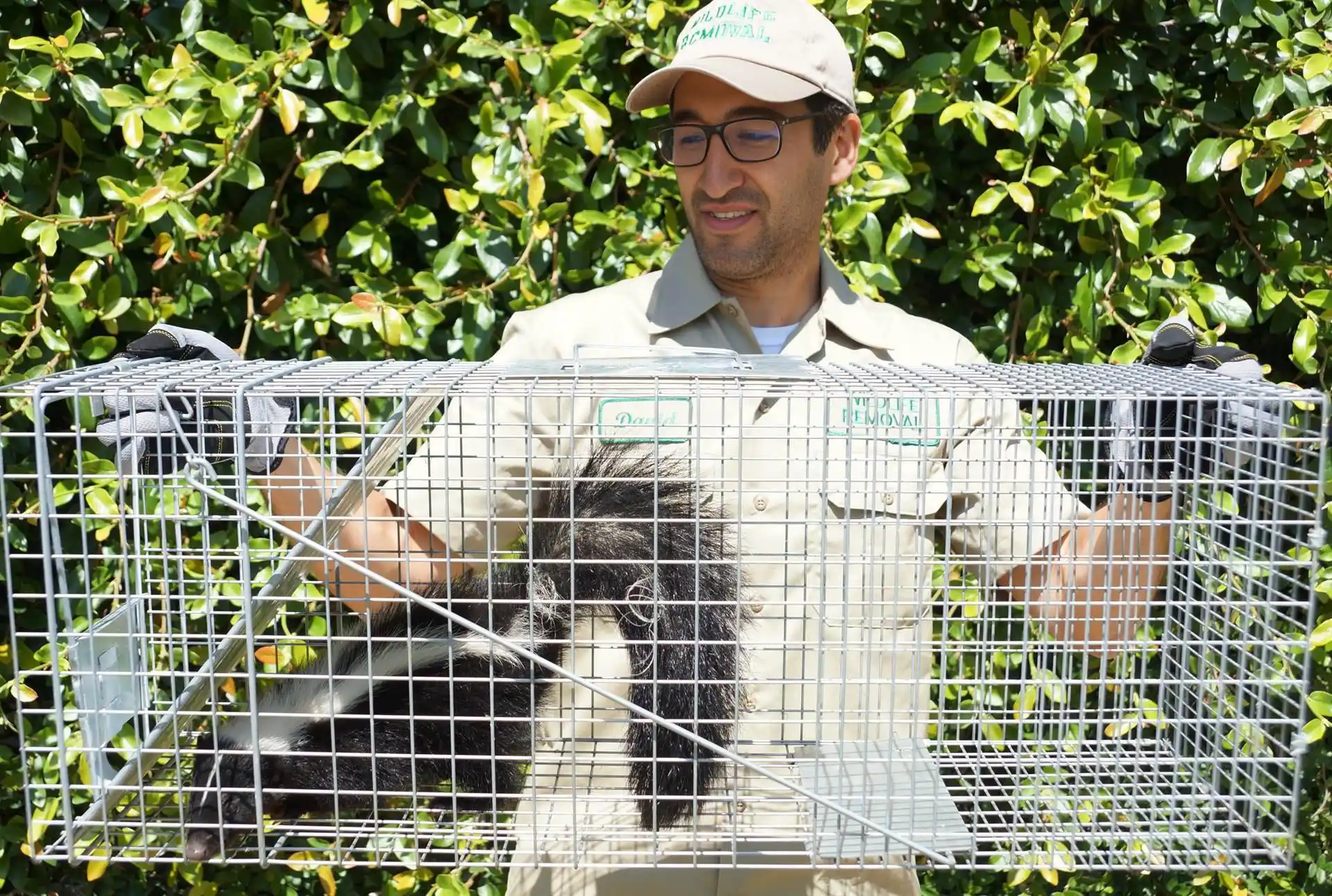
How to Get Rid of Skunk Odor: Effective Methods for Homeowners
A skunk under the porch can permeate your whole home with odor through foundation vents. Here are...
Read more →Ready to Get Started?
Call or request removal online. We respond promptly, inspect thoroughly, and give you a clear plan before any work begins.