Opossum Removal in Western NC
Opossums are opportunists, not burrowers. They move into spaces that are already accessible: open crawl spaces, unsecured decks, and gaps in sheds. Exclusion after removal is straightforward.
Professional Opossum Removal in Western North Carolina
The Virginia opossum is North America's only native marsupial and is a common sight across Western North Carolina. Opossums are not aggressive, they are not a rabies vector species (their low body temperature makes them poorly suited as a rabies host), and they are genuinely beneficial in terms of tick consumption and rodent scavenging. The problem is that they take advantage of open access points around homes and are very comfortable in close proximity to people. Opossums in a crawl space or under a deck can cause odor problems, attract other animals, and become a nuisance in pet food areas.
Signs You Have an Opossum
- Distinctive opossum tracks near the structure (five-toed front feet with an opposable thumb on the rear feet)
- Overturned or raided pet food dishes, particularly at night
- Garden damage: opossums eat fallen fruit, vegetables, and grubs
- Feces near entry points to a crawl space, under a deck, or near a shed
- Sightings at night near the structure or in the yard
Common Problem Areas
- Open crawl space vents or crawl space doors left ajar
- Gaps at the base of decks and porches without skirting or exclusion
- Unsecured sheds, garages, or storage areas
- Fruit trees or garden areas that provide consistent food
- Pet food left outside overnight
Concerns
Opossums are not destructive in the way that raccoons or squirrels are, but their presence inside a crawl space or enclosed area can lead to odor from droppings and, occasionally, a carcass if the animal dies inside. They can also carry fleas and mites. While not a rabies concern, they can carry leptospirosis and should not be handled with bare hands.
Seasonal Notes for Western NC
Opossums breed from January through July and may have two litters per year. Females carry joeys in their pouch for the first two months, then on their back for another two months after that. An opossum found denning under a structure in spring or early summer may have young with her. The young are large enough to be visible well before they are fully independent.
What To Do
- Remove outdoor food sources: pet food, fallen fruit, and unsecured garbage are the primary attractants
- Install exclusion fencing or lattice around the base of decks and porches
- Seal crawl space vents with hardware cloth if they do not have secure vent covers
What Not To Do
- Do not handle an opossum with bare hands. Call for professional removal.
- Do not leave pet food outside overnight in opossum-active areas
- Do not attempt to scare an opossum away by cornering it. The playing dead response is an involuntary stress reaction and the animal may not respond predictably when it recovers.
Our Opossum Removal Services
Every removal comes with an inspection and exclusion plan. These are the services typically involved.
🦝 Raccoon Removal
Raccoons are the most common wildlife call in Western North Carolina. We locate every entry ...
🐿️ Squirrel Removal
Eastern gray squirrels chew through soffits, fascia, and attic vents to nest inside WNC home...
🦇 Bat Removal
Several bat species in Western North Carolina are federally protected. Exclusion timing matt...
🐍 Snake Removal
North Carolina has 37 native snake species, including 6 venomous ones. We identify the speci...
🐦 Bird Control
House sparrows, European starlings, and pigeons cause real damage to WNC properties. All nat...
🦨 Skunk Removal
Striped and spotted skunks both live in WNC and dig dens under decks, porches, and slabs. Sp...
🐾 Opossum Removal
Virginia opossums are common throughout WNC and frequently enter crawlspaces, sheds, and gar...
🏠 Attic Wildlife Removal
Many WNC homes have multi-species attic infestations. A proper removal starts with identifyi...
🔒 Wildlife Exclusion & Entry-Point Sealing
Animals re-enter homes through openings they already know. We seal every gap using heavy-gau...
🧹 Wildlife Damage Cleanup & Sanitation
Raccoon latrines, bat guano, and contaminated insulation carry serious health risks long aft...
Opossum Removal Questions
Opossums rarely initiate confrontation. They typically hiss and show their teeth as a warning and will play dead before fighting. That said, a cornered opossum can bite, and any wound from a wild animal should be cleaned and assessed by a medical professional. Opossums are not a rabies concern, but they can carry leptospirosis.
Research suggests opossums do consume significant numbers of ticks during grooming. While this does not make them a practical pest management tool, it is one reason they are not treated as harmful wildlife in many contexts.
Once the animal is confirmed out of the space, proper exclusion keeps it out. Opossums are not persistent diggers or strong enough to force through well-installed hardware cloth or solid skirting. Seal the access point after removal and they do not typically return to the same spot.
Related Articles
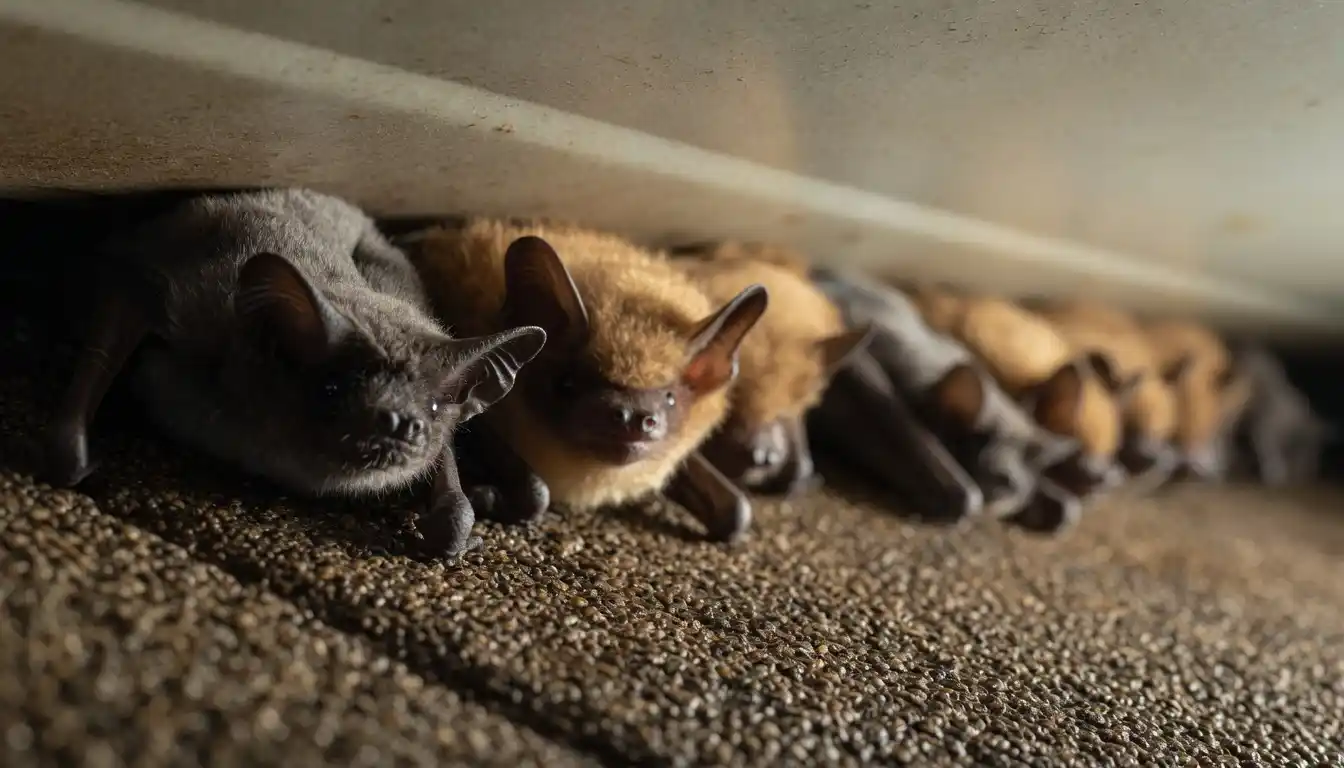
Why Professional Bat Removal Is Essential for Your Safety
Bat removal in North Carolina has strict legal timing and species-specific requirements. Getting ...
Read more →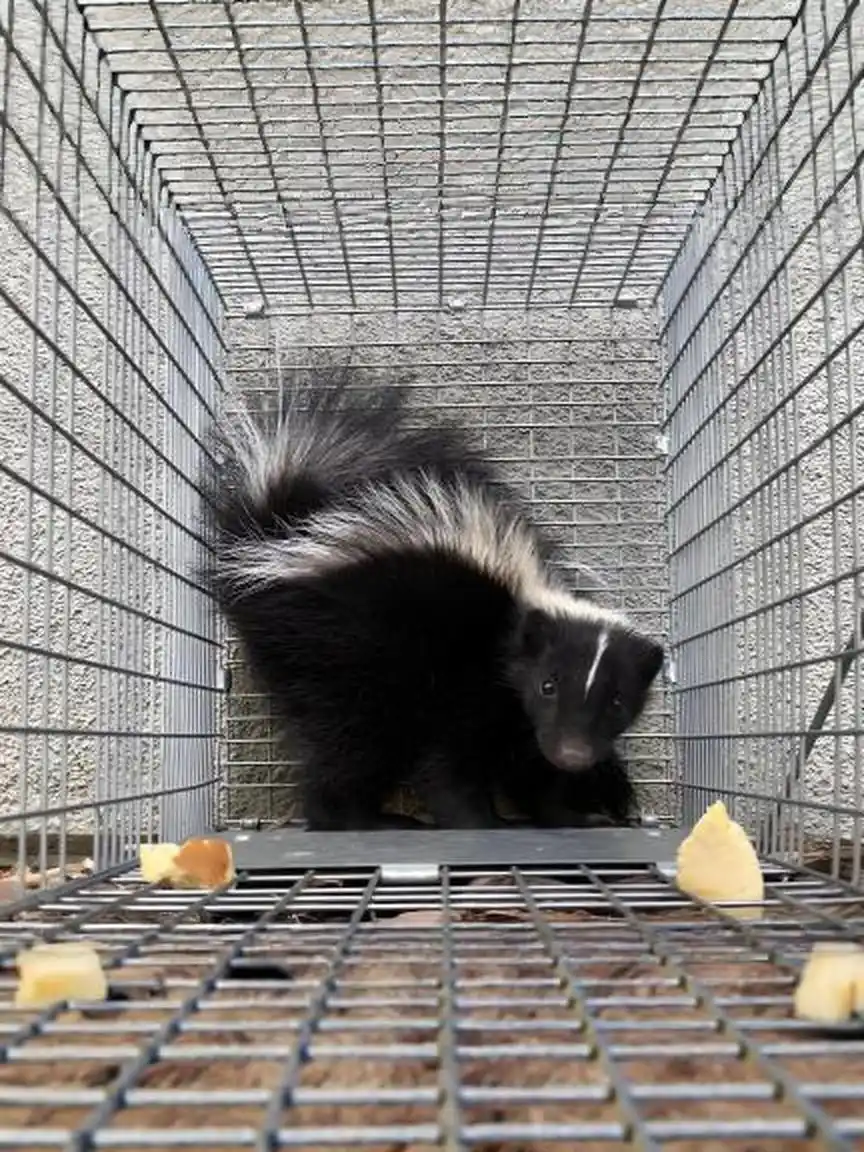
Snake Identification and Safe Removal Tips for Western NC
North Carolina has 37 native snake species, 6 of them venomous. Here is how to identify common mo...
Read more →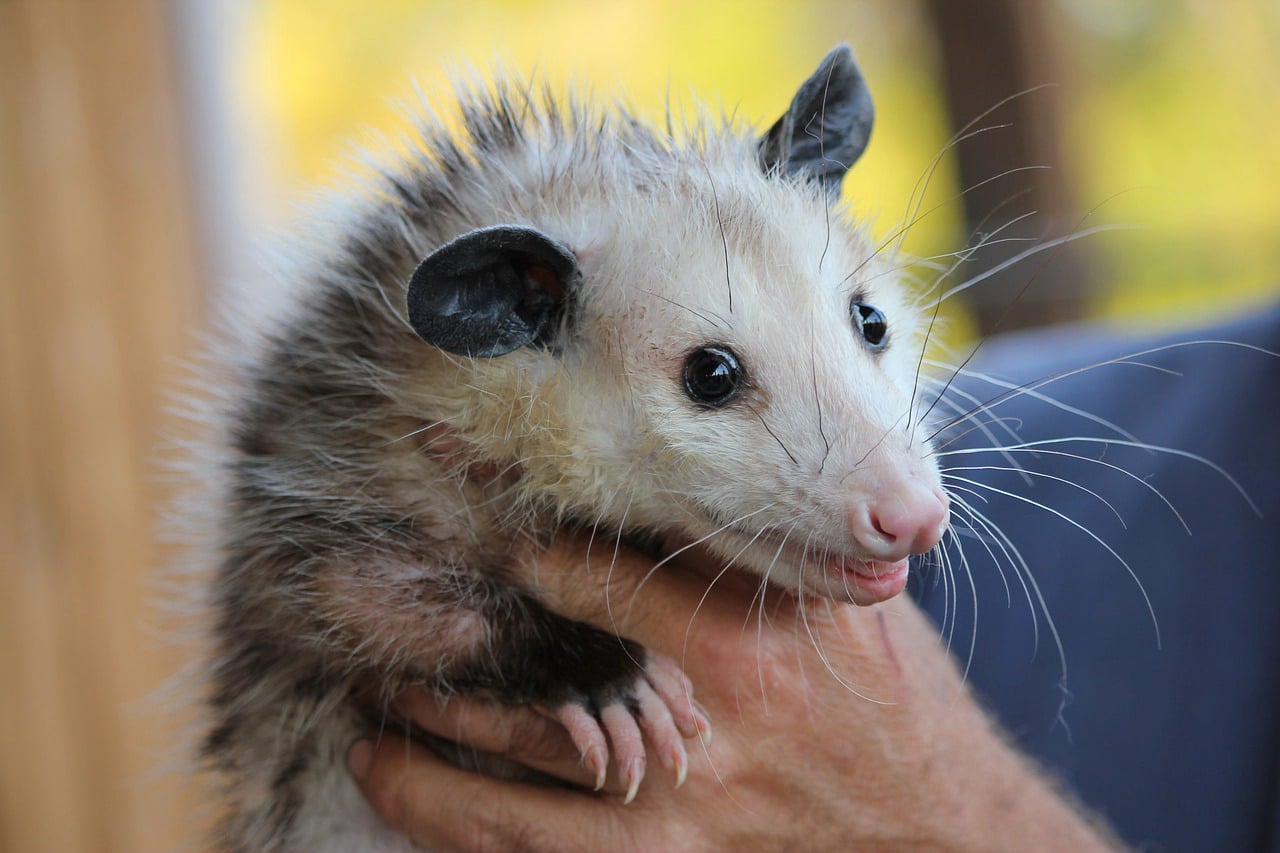
What to Do If You Find an Opossum on Your Property
Opossums are the only marsupial native to North America and are not rabies vectors in NC. Here is...
Read more →Ready to Get Started?
Call or request removal online. We respond promptly, inspect thoroughly, and give you a clear plan before any work begins.