Squirrel Removal in Western NC
Squirrels chew through electrical wiring, bring nesting material into attic spaces, and can enter through gaps smaller than a tennis ball. Gray squirrels work during the day; flying squirrels move at night.
Professional Squirrel Removal in Western North Carolina
Western North Carolina has two common types of attic squirrels: gray squirrels and flying squirrels. Gray squirrels are active during daylight hours and typically enter at the roofline through gable vents, fascia gaps, or any opening they can widen with their teeth. Flying squirrels are nocturnal and much smaller, capable of squeezing through openings as small as an inch. Both chew on structural wood, wiring, and HVAC components once inside.
Signs You Have Squirrels
- Scratching, running, and chattering sounds above ceilings during daylight hours (gray squirrels) or after dark (flying squirrels)
- Gnaw marks on exterior wood around soffits, fascia, or gable vents
- Nesting material (leaves, insulation, shredded paper) visible in the attic
- Chewed wiring or insulation on pipes and ducts
- Acorns or other food items stored in the attic space
Common Entry Points
- Gable vents with compromised screening
- Gaps at the roofline where fascia boards meet the soffit
- Any small opening in the roofline that squirrels can widen by gnawing
- Utility lines and tree branches that run close to the roofline
Damage and Health Risks
The most serious risk from squirrels is electrical fire from chewed wiring. Squirrels constantly gnaw to keep their incisors worn down, and wiring insulation is a common target. Squirrels also shred and pack attic insulation for nesting, destroying its thermal value. While squirrels rarely carry rabies, they can carry fleas, ticks, and lice that may affect pets or, less commonly, people.
Seasonal Notes for Western NC
Gray squirrels have two breeding seasons per year, typically January through February and again in June through July. Females seek enclosed den sites during each breeding cycle. Flying squirrels breed in spring and late summer and are often found in larger colonies. Exclusion timing matters. Removing adult squirrels while juveniles are still non-mobile inside creates a secondary problem. We check for young before sealing.
What To Do
- Trim tree branches that overhang or run close to your roof; squirrels use them as a bridge
- Note the times when you hear activity; this helps identify whether you have gray squirrels or flying squirrels
- Call for an inspection before sealing any openings
What Not To Do
- Do not seal a vent or gap while squirrels may still be inside. You trap them in or out and the problem gets worse.
- Do not use cage traps without a removal plan. Squirrels caught in traps die quickly in heat and require prompt handling.
- Do not put food out to relocate them. You only attract more.
Our Squirrel Removal Services
Every removal comes with an inspection and exclusion plan. These are the services typically involved.
🦝 Raccoon Removal
Raccoons are the most common wildlife call in Western North Carolina. We locate every entry ...
🐿️ Squirrel Removal
Eastern gray squirrels chew through soffits, fascia, and attic vents to nest inside WNC home...
🦇 Bat Removal
Several bat species in Western North Carolina are federally protected. Exclusion timing matt...
🐍 Snake Removal
North Carolina has 37 native snake species, including 6 venomous ones. We identify the speci...
🐦 Bird Control
House sparrows, European starlings, and pigeons cause real damage to WNC properties. All nat...
🦨 Skunk Removal
Striped and spotted skunks both live in WNC and dig dens under decks, porches, and slabs. Sp...
🐾 Opossum Removal
Virginia opossums are common throughout WNC and frequently enter crawlspaces, sheds, and gar...
🏠 Attic Wildlife Removal
Many WNC homes have multi-species attic infestations. A proper removal starts with identifyi...
🔒 Wildlife Exclusion & Entry-Point Sealing
Animals re-enter homes through openings they already know. We seal every gap using heavy-gau...
🧹 Wildlife Damage Cleanup & Sanitation
Raccoon latrines, bat guano, and contaminated insulation carry serious health risks long aft...
Squirrel Removal Questions
Most squirrel entry points are at the roofline, where they are not visible without a ladder or roof inspection. The gap is often surprisingly small; squirrels can widen a crack or compromised area in soffit material in a matter of hours. A proper inspection includes the full roofline.
Yes. Avoid exclusion when juveniles may be present inside: typically February through March and July through August, corresponding to each breeding cycle's young. We inspect for juveniles before installing any one-way devices.
Possibly, but not necessarily. Flying squirrels in particular can be very quiet for periods. If you had confirmed activity, a physical inspection is the only way to know the structure is clear.
Related Articles
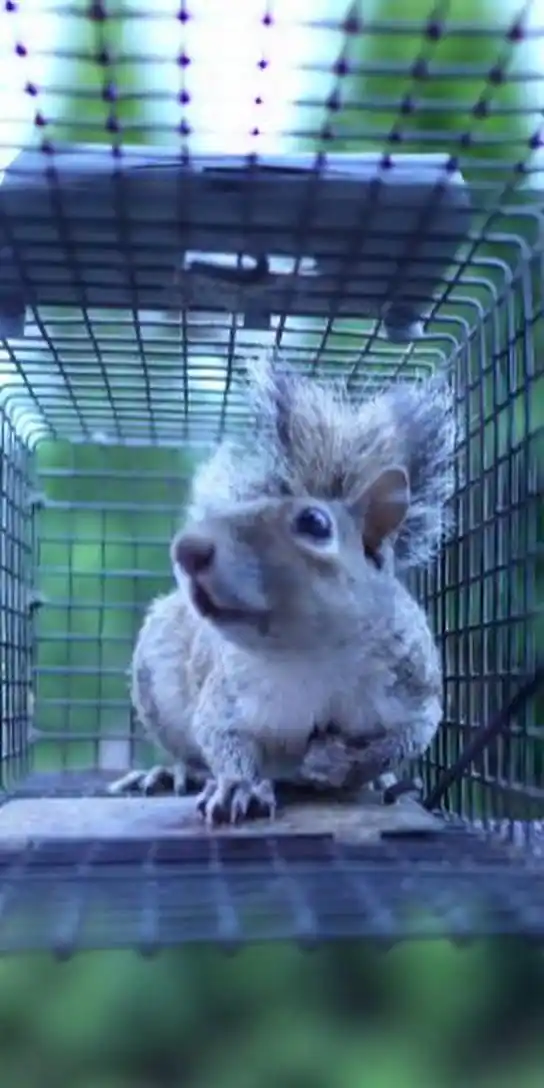
How to Prevent Squirrels From Entering Your Home
Eastern gray squirrels can chew through wood, vinyl, and vent screens in hours. Here is what actu...
Read more →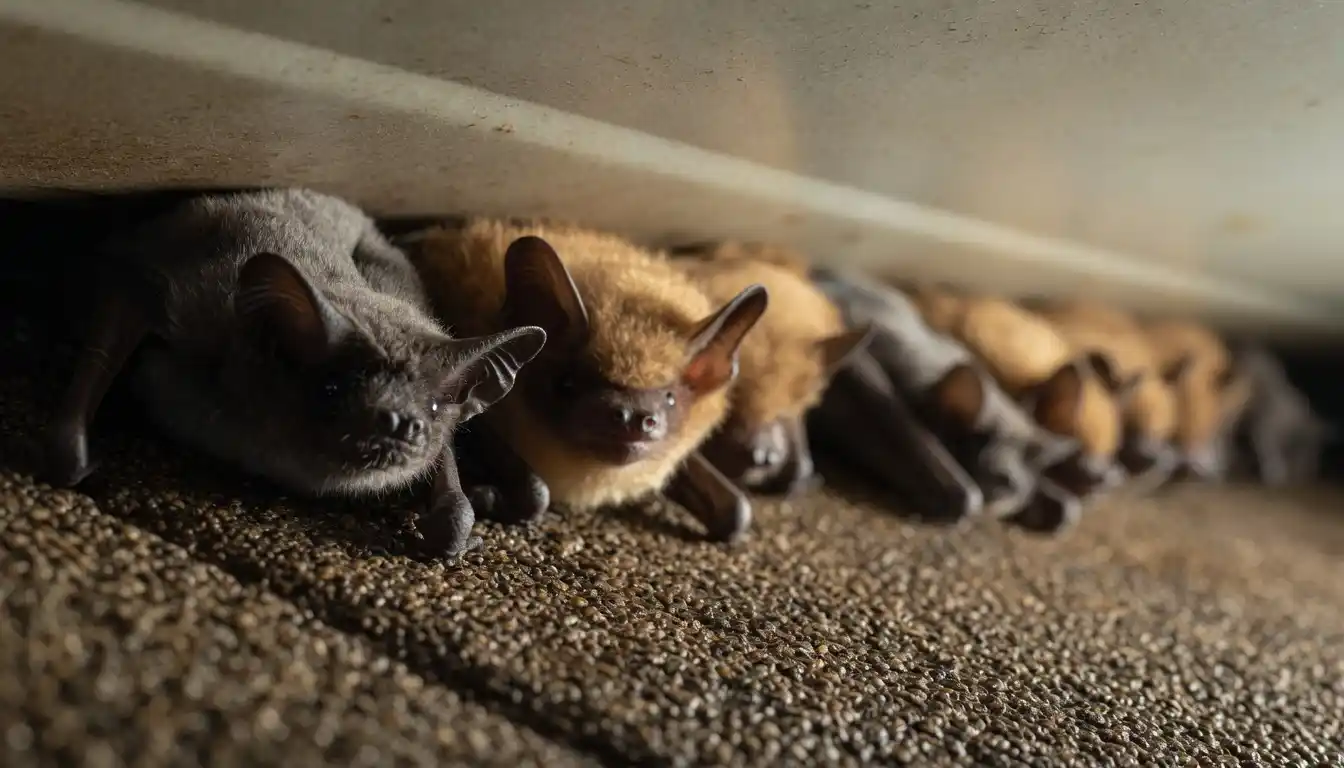
Why Professional Bat Removal Is Essential for Your Safety
Bat removal in North Carolina has strict legal timing and species-specific requirements. Getting ...
Read more →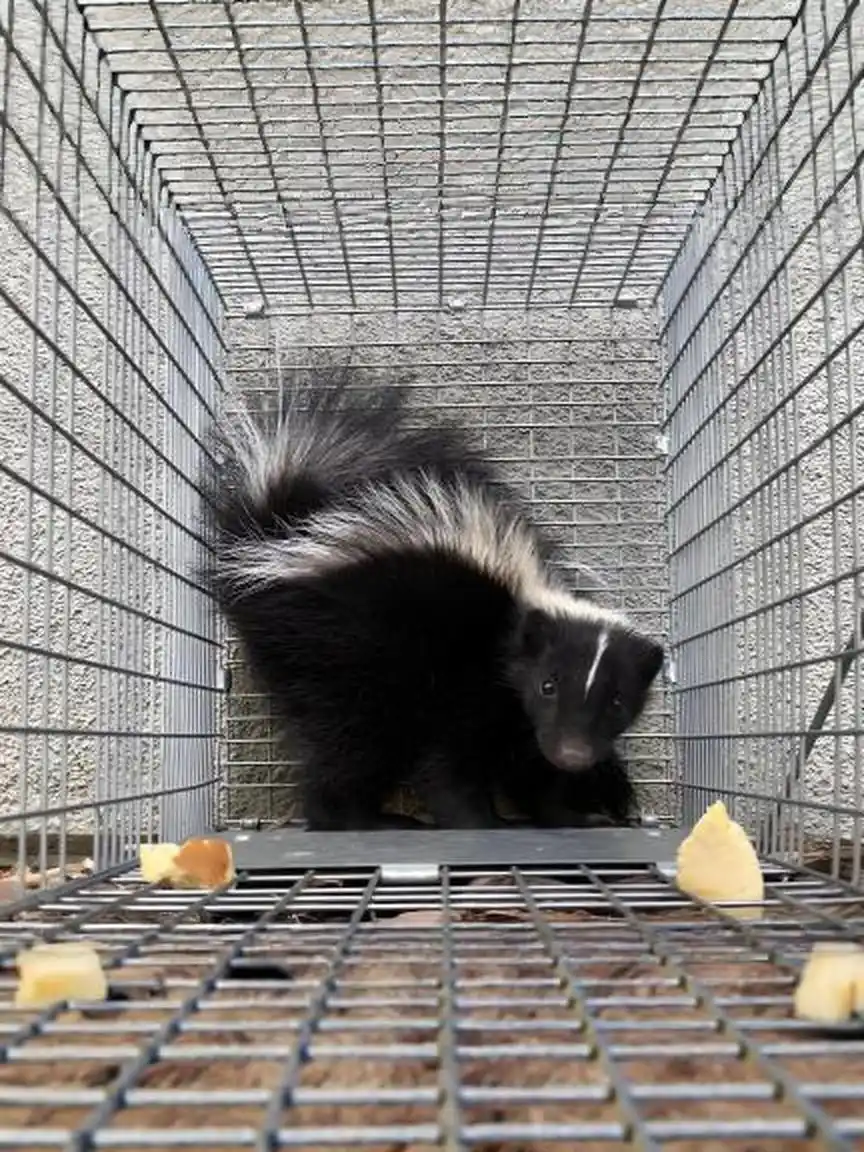
Snake Identification and Safe Removal Tips for Western NC
North Carolina has 37 native snake species, 6 of them venomous. Here is how to identify common mo...
Read more →Ready to Get Started?
Call or request removal online. We respond promptly, inspect thoroughly, and give you a clear plan before any work begins.