Raccoon Removal in Western NC
Raccoons tear through soffits, establish a latrine in your attic, and bring parasites. Once they find a way in, they return. We remove the family, seal the entry, and treat the contaminated area.
Professional Raccoon Removal in Western North Carolina
Raccoons are among the most destructive and persistent wildlife problems in Western North Carolina. They are intelligent, strong, and highly motivated to find shelter, particularly in late winter and early spring when females seek den sites. A single raccoon family in an attic can contaminate the entire insulation layer within a few weeks. The damage does not stop when the animals leave. It stays unless properly remediated.
Signs You Have Raccoons
- Heavy thumping and shuffling sounds at night, particularly above ceilings or in walls
- Raccoon droppings (latrine sites) at the base of downspouts, near entry points, or in the attic
- Torn or bent soffit material, displaced ridge cap, or pried-open roof edges
- Strong ammonia odor from the attic, which intensifies with humidity
- Knocked-over trash cans with visible claw or teeth marks
Common Entry Points
- Soffits and fascia boards, especially where wood has softened from moisture
- Roof edges where materials have lifted, warped, or separated
- Open or damaged chimney flues without a cap
- Gable vents and ridge vents with damaged screening
- Any gap wider than roughly 4 inches at the roofline
Damage and Health Risks
Raccoon urine and feces contaminate insulation and create a significant health hazard. Raccoon roundworm (Baylisascaris procyonis) is present in raccoon droppings and can cause serious illness in humans and pets if accidentally ingested. Raccoons are a primary rabies vector species in North Carolina. Beyond the biological contamination, raccoons cause structural damage through their nesting activity: chewed wiring, torn ductwork, flattened insulation, and damaged framing.
Seasonal Notes for Western NC
Raccoon activity increases in late winter and early spring as females seek den sites to raise young. In the mountains of Western North Carolina, kits are typically born from late March through April. Juvenile raccoons are non-mobile for several weeks after birth. Attempting to seal entry points during this period without first confirming the family unit is out risks trapping juveniles inside the structure, which creates a serious secondary problem. We inspect for juveniles before any sealing work begins.
What To Do
- Take note of where you hear activity and roughly what time of night it occurs
- Secure garbage in wildlife-resistant cans with locking lids
- Call for a professional inspection before attempting to seal any openings yourself
What Not To Do
- Do not seal the entry point before confirming the animals are out. You risk trapping them inside the structure.
- Do not use mothballs, ammonia, or lights. Raccoons habituate to most deterrents quickly.
- Do not corner or attempt to handle a raccoon. They will defend themselves.
Our Raccoon Removal Services
Every removal comes with an inspection and exclusion plan. These are the services typically involved.
🦝 Raccoon Removal
Raccoons are the most common wildlife call in Western North Carolina. We locate every entry ...
🐿️ Squirrel Removal
Eastern gray squirrels chew through soffits, fascia, and attic vents to nest inside WNC home...
🦇 Bat Removal
Several bat species in Western North Carolina are federally protected. Exclusion timing matt...
🐍 Snake Removal
North Carolina has 37 native snake species, including 6 venomous ones. We identify the speci...
🐦 Bird Control
House sparrows, European starlings, and pigeons cause real damage to WNC properties. All nat...
🦨 Skunk Removal
Striped and spotted skunks both live in WNC and dig dens under decks, porches, and slabs. Sp...
🐾 Opossum Removal
Virginia opossums are common throughout WNC and frequently enter crawlspaces, sheds, and gar...
🏠 Attic Wildlife Removal
Many WNC homes have multi-species attic infestations. A proper removal starts with identifyi...
🔒 Wildlife Exclusion & Entry-Point Sealing
Animals re-enter homes through openings they already know. We seal every gap using heavy-gau...
🧹 Wildlife Damage Cleanup & Sanitation
Raccoon latrines, bat guano, and contaminated insulation carry serious health risks long aft...
Raccoon Removal Questions
You can trap nuisance wildlife on your own property in NC, but relocation is restricted. Raccoons cannot legally be transported more than a short distance from the capture site due to rabies risk. Professional removal handles the animal properly under NC wildlife regulations, including the relocation restrictions.
A one-way exclusion device combined with a physical interior inspection is the most reliable method. Sounds going quiet overnight does not mean the animal is gone; raccoons sometimes stay still for a night or two. We verify the structure is empty before any permanent sealing.
They will if the entry point is not sealed. Raccoons remember den sites and will attempt to re-enter. Sealing every opening around the roofline is what prevents return, not just removing the individual animal.
Not always, but contaminated insulation (urine-soaked, feces-embedded, or visibly compressed by nesting) should be removed and replaced. In addition to health concerns, saturated insulation has significantly reduced R-value. We assess the extent of contamination during the inspection.
Related Articles
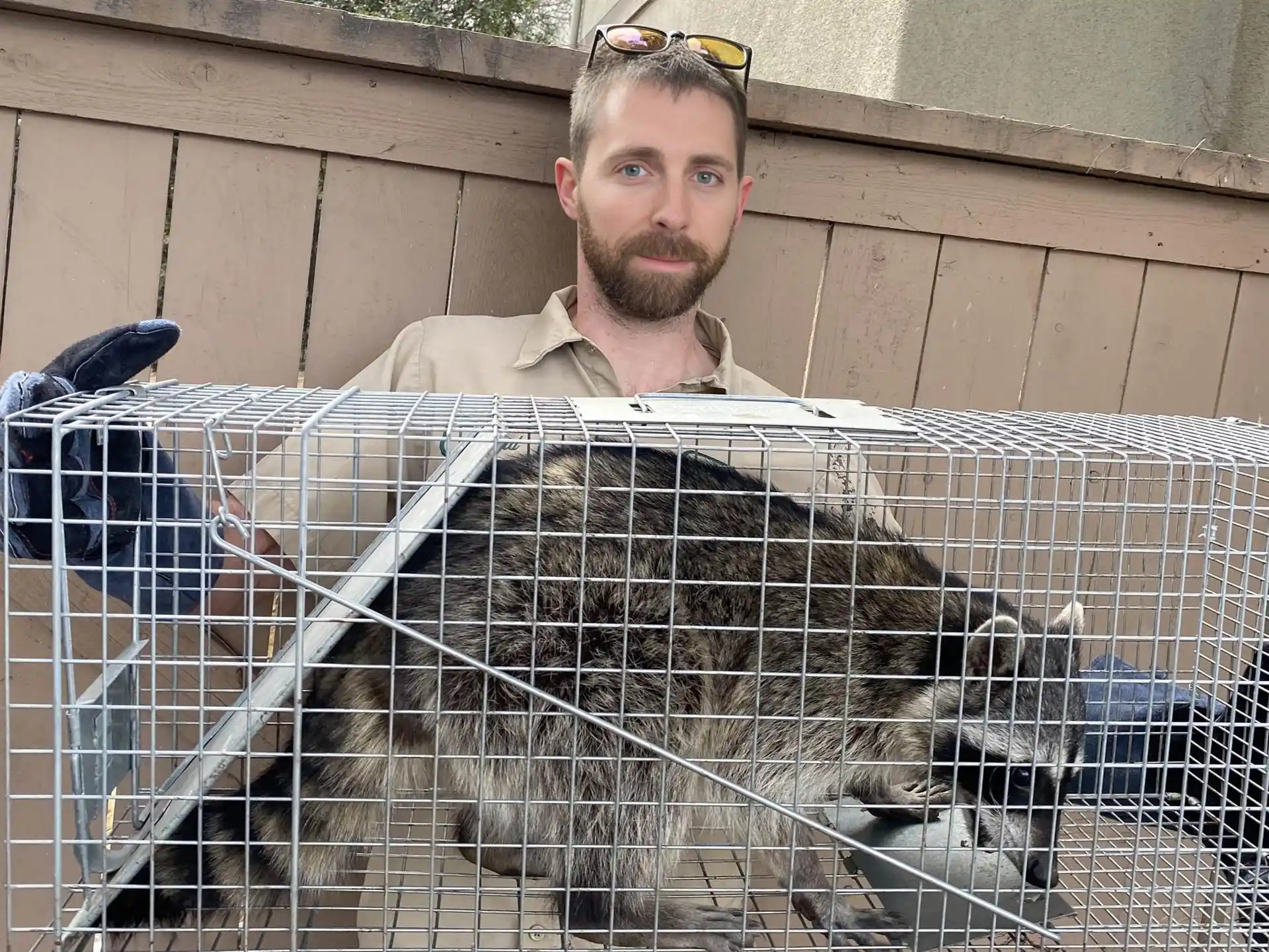
5 Signs You Have Raccoons in Your Attic
Raccoons are the most common attic invader in Western North Carolina. Here are the five signs hom...
Read more →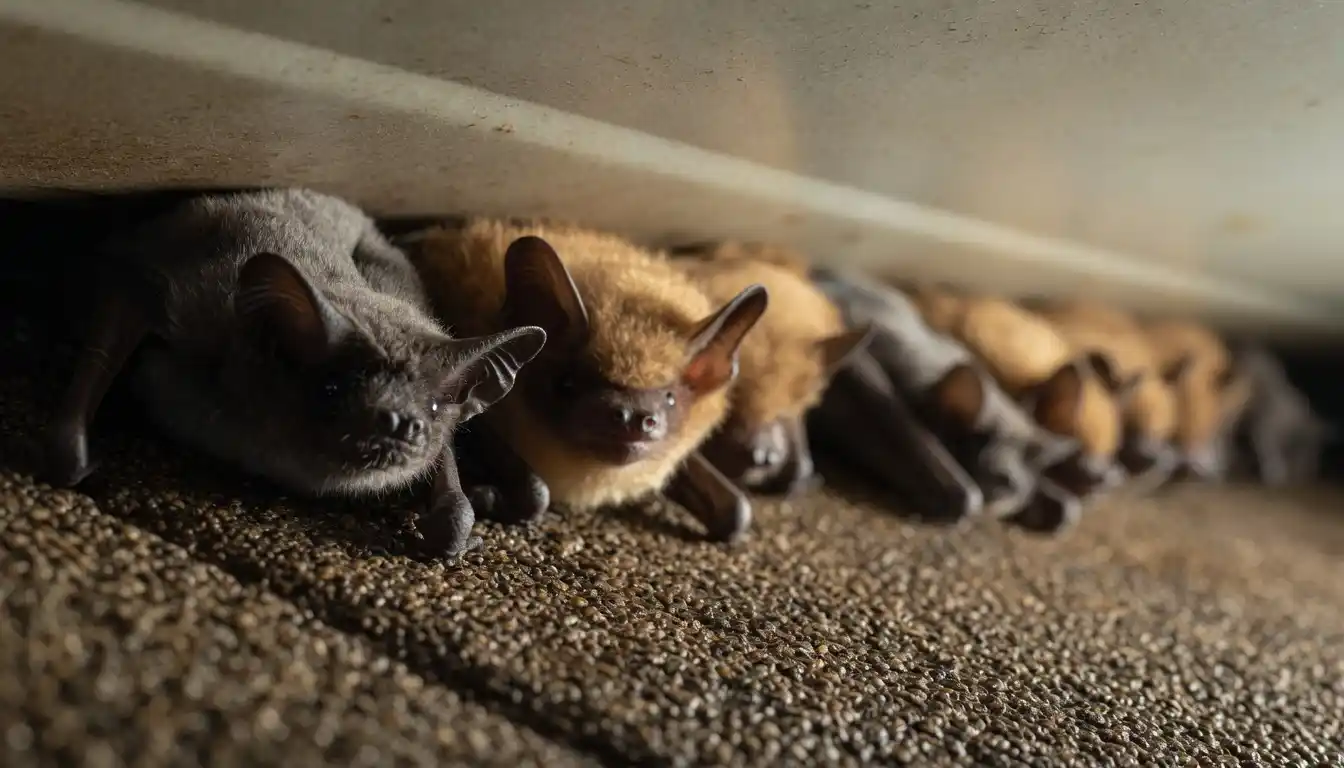
Why Professional Bat Removal Is Essential for Your Safety
Bat removal in North Carolina has strict legal timing and species-specific requirements. Getting ...
Read more →
Snake Identification and Safe Removal Tips for Western NC
North Carolina has 37 native snake species, 6 of them venomous. Here is how to identify common mo...
Read more →Ready to Get Started?
Call or request removal online. We respond promptly, inspect thoroughly, and give you a clear plan before any work begins.